Chicago is often called a city of neighborhoods, and that description captures its character better than any skyline photo ever could. Rather than feeling like one uniform metropolis, Chicago is a collection of distinct communities, each shaped by history, culture, architecture, and everyday routines. From lively commercial corridors to quiet residential streets, neighborhoods define how people experience the city daily. They influence where residents eat, how they socialize, and what traditions are passed down over generations. Exploring Chicago through its neighborhoods reveals a deeper, more authentic side of the city that goes beyond famous landmarks and tourist attractions. Whether you are visiting for the first time or have lived here for years, understanding Chicago neighborhood by neighborhood offers insight into why the city feels both expansive and deeply personal at the same time.
Why Chicago Is Truly a City of Neighborhoods
Chicago’s development followed rail lines, industry hubs, and waves of immigration, allowing neighborhoods to grow with strong individual identities. Instead of blending into one another, many areas evolved independently, creating localized cultures that still exist today.
Key reasons neighborhoods matter in Chicago:
- Residents often live, shop, and dine within the same area
- Local businesses are built around regular customers
- Community ties remain strong across generations
- Neighborhood pride plays a major role in city identity
This structure gives Chicago its distinctive sense of belonging, even in such a large city.
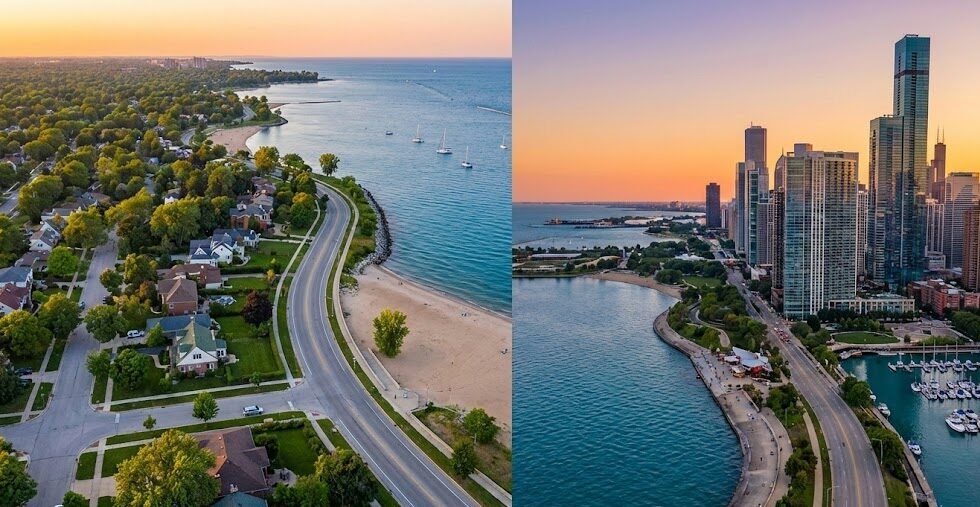
Lakefront Neighborhoods: Urban Living With Open Space
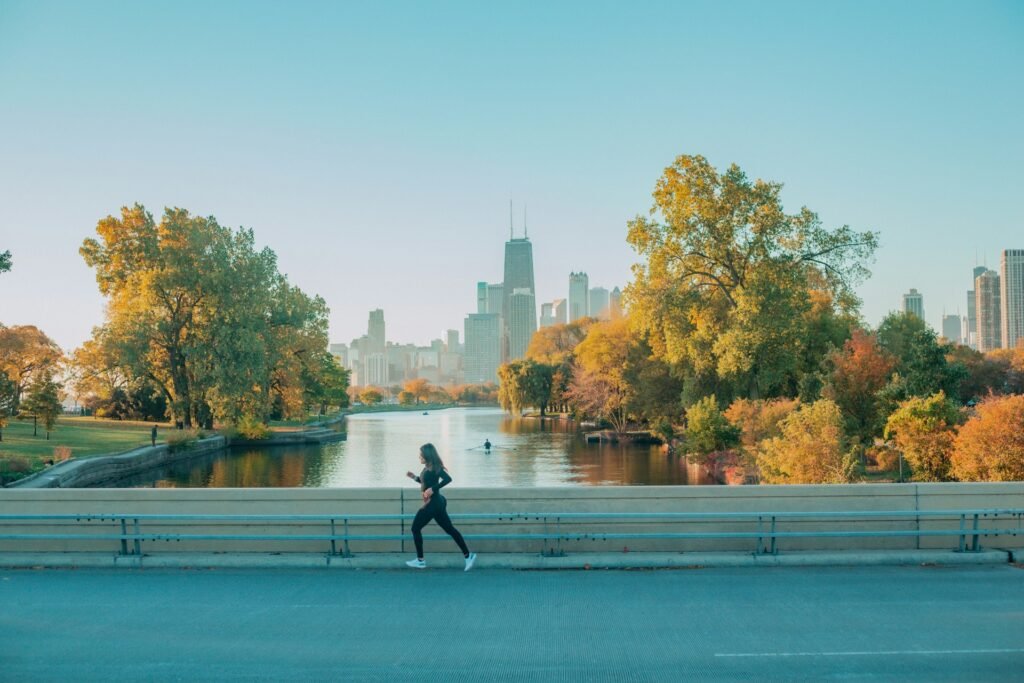
Chicago’s lakefront neighborhoods are defined by their proximity to Lake Michigan and the balance they offer between city life and nature. These areas attract residents who value walkability, outdoor activity, and scenic surroundings.
Common features include:
- Access to parks, beaches, and waterfront trails
- Tree-lined streets mixed with dense residential blocks
- Cafés, casual restaurants, and neighborhood shops
The lakefront acts as a shared gathering space, reinforcing the idea that neighborhoods are about more than just housing; they’re about lifestyle.
Creative and Trend-Driven Neighborhoods
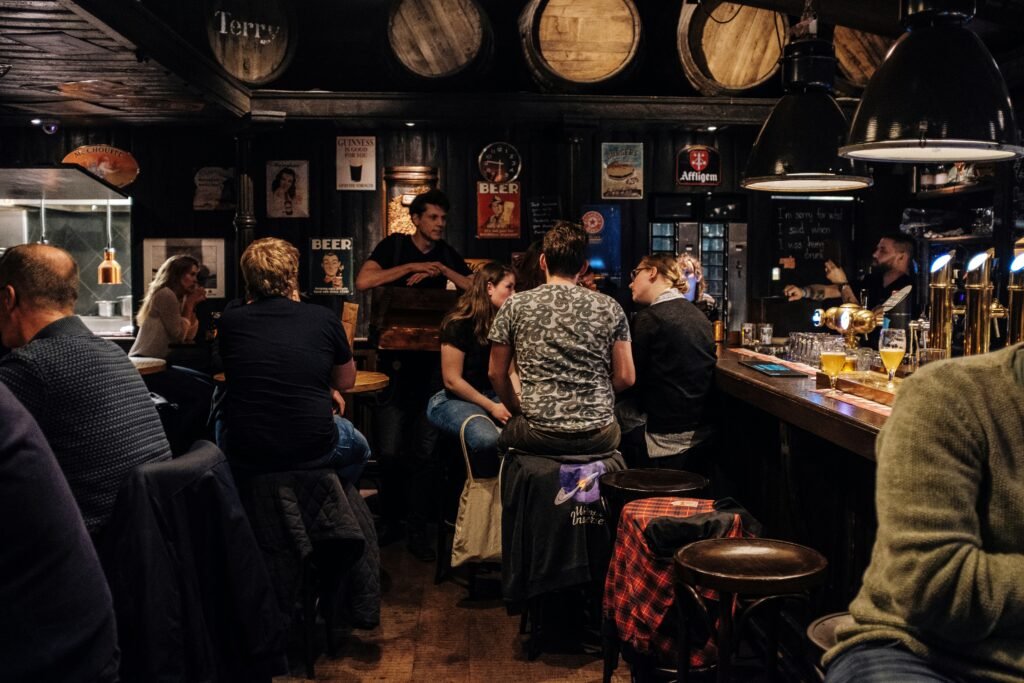
Some Chicago neighborhoods are known for creativity, nightlife, and cultural experimentation. These areas often become centers for artists, musicians, and entrepreneurs, giving them a dynamic and constantly evolving feel.
What sets these neighborhoods apart:
- Independent boutiques, record stores, and coffee shops
- Music venues, galleries, and public art
- A mix of historic buildings and new businesses
While change is constant, these neighborhoods remain grounded in local culture, preventing them from losing their original character entirely.
Historic and Cultural Neighborhoods
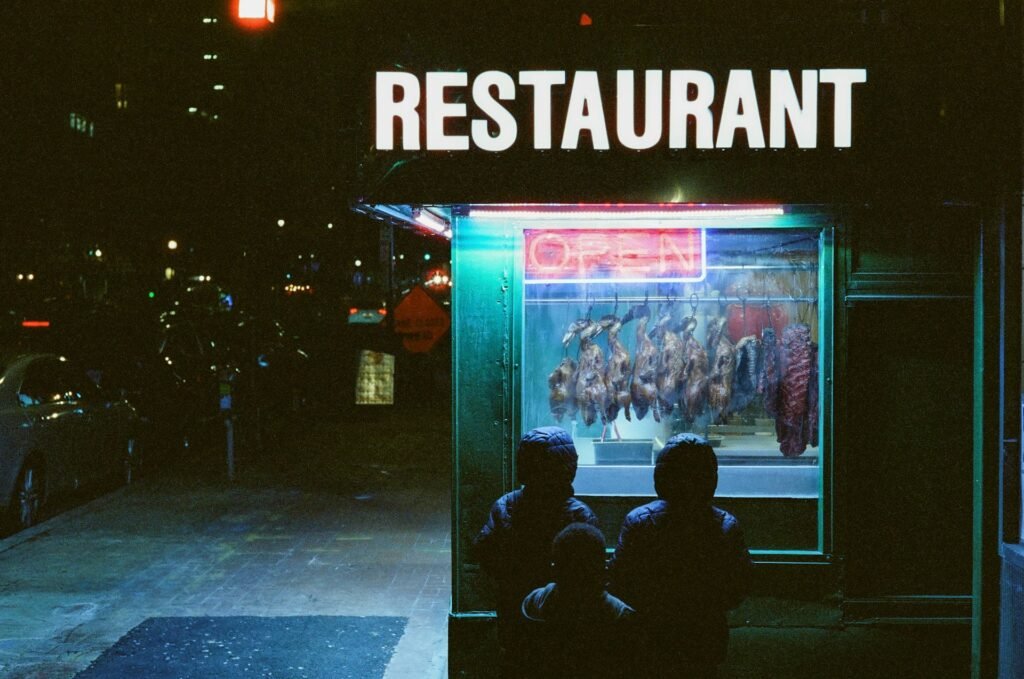
Chicago’s diversity is most visible in neighborhoods around shared cultural heritage. These areas preserve traditions, architecture, and institutions that reflect the city’s immigrant history.
Defining traits of cultural neighborhoods:
- Longstanding restaurants and specialty markets
- Historic buildings and community landmarks
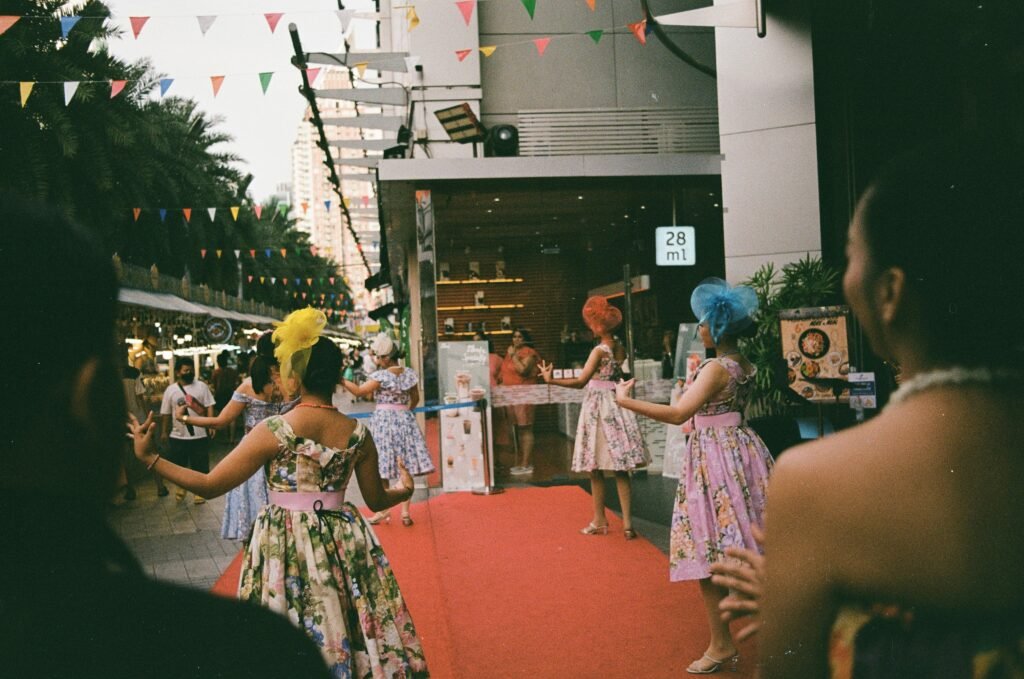
- Cultural festivals and neighborhood events
These neighborhoods offer an opportunity to experience global influences without leaving the city, making them an essential part of Chicago’s identity.
Residential Neighborhoods and Everyday Chicago Life
Beyond the well-known districts are residential neighborhoods that define daily life for many Chicagoans. These areas emphasize routine, stability, and long-term relationships.
Typical characteristics include:
- Family-owned businesses and corner shops
- Schools, parks, and community centers
- Strong familiarity among residents and business owners
These neighborhoods reveal how Chicago functions beyond its headlines, showing the rhythms of real life that keep the city grounded.
How to Explore Chicago Neighborhoods Like a Local
Exploring Chicago neighborhoods is best done at a slower pace. Walking or using public transportation allows you to notice details that define each area.
Helpful tips:
- Walk side streets, not just main roads
- Eat at local restaurants instead of chains
- Visit neighborhood parks and public spaces
- Observe how residents interact and use the area
Letting neighborhoods unfold naturally leads to a more meaningful experience.
Why Neighborhoods Define Chicago’s Identity
Chicago’s neighborhoods are the foundation of the city’s culture, history, and sense of community. Each one contributes something unique, whether it’s creativity, tradition, or quiet stability. Together, they create a city that feels layered rather than uniform. Exploring Chicago neighborhood by neighborhood isn’t just about discovering new places; it’s about understanding how the city lives, remembers its past, and continues to evolve through the people who call it home.
Photo by Chris Dickens on Unsplash