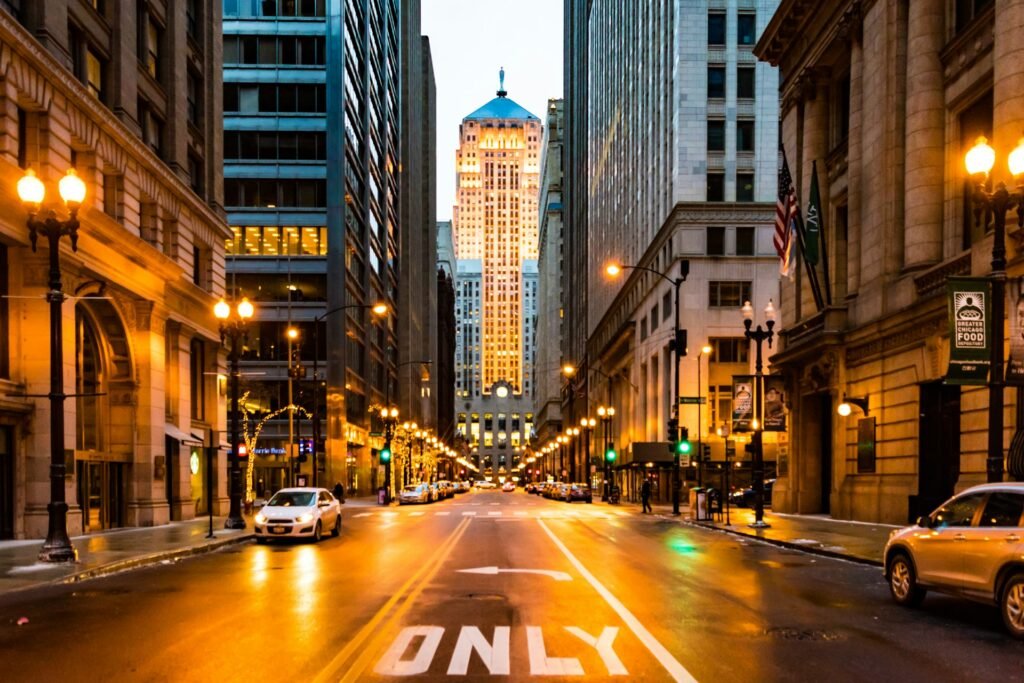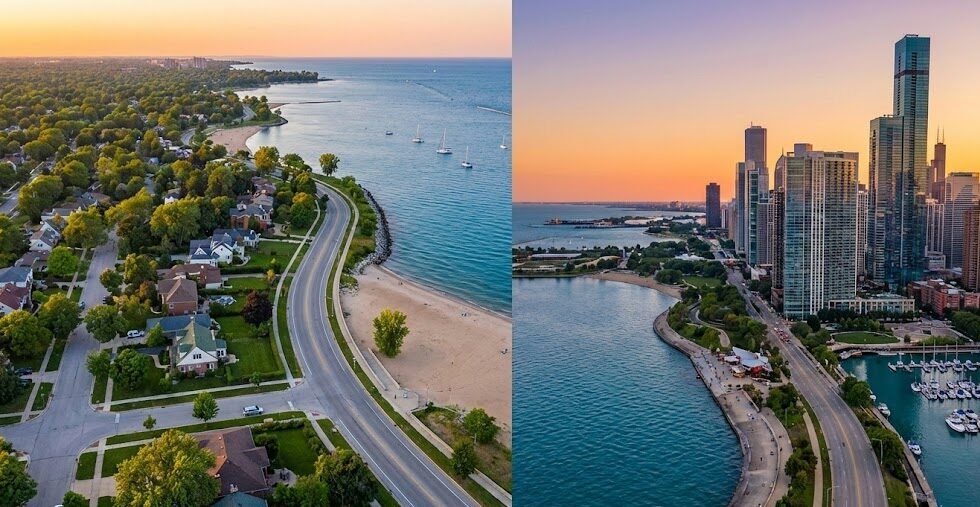
Chicago’s Culture Keepers are the quiet guardians who protect the city’s identity in a time of constant change. They are artists, musicians, elders, organizers, business owners, and storytellers who carry forward traditions that define Chicago beyond its skyline. While the city grows, rebuilds, and reinvents itself, Culture Keepers ensure that its cultural heart remains intact. Culture in Chicago has never been static. Shaped by migration, labor movements, music revolutions, and neighborhood pride, the city’s identity lives in its people. Keepers understand that preserving culture is not about nostalgia; it is about continuity. Their work bridges generations, ensuring that history is remembered, celebrated, and adapted rather than erased.
Neighborhoods as the Foundation of Chicago’s Culture Keepers
Chicago’s neighborhoods are the backbone of its cultural life. From Bronzeville and Pilsen to Little Village, Chinatown, Uptown, and Back of the Yards, each community carries a distinct story. Culture Keepers often emerge directly from these neighborhoods, deeply rooted in the places they serve.
In Bronzeville, culture keepers preserve the legacy of the Great Migration, jazz history, and Black entrepreneurship through archives, walking tours, and community events. In Pilsen, murals and cultural centers tell stories of Mexican heritage, activism, and resilience. Keepers act as living historians, passing down narratives that rarely appear in textbooks but are essential to understanding the city’s soul.
They organize block parties, neighborhood festivals, oral history projects, and youth programs. These efforts help younger generations understand where they come from and why their communities matter. Without Chicago’s Culture Keepers, many of these stories would fade under the pressure of redevelopment and displacement.
Music, Art, and Creative Expression
Music and art have always been powerful tools for Chicago’s Culture Keepers. The city is globally known as the birthplace of Chicago blues and house music, but those genres didn’t emerge in isolation. They were shaped by lived experiences, community struggles, and shared joy.
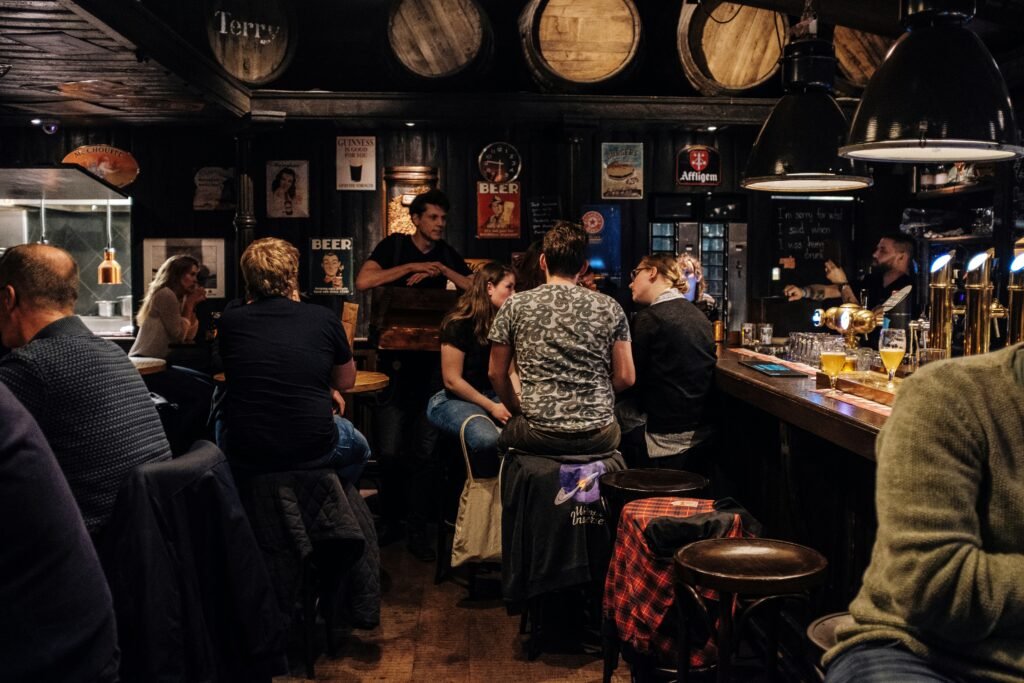
Local musicians, DJs, and venue owners continue this tradition by keeping grassroots spaces alive. Chicago’s Culture Keepers host open mics, vinyl nights, church concerts, and neighborhood performances that prioritize authenticity over commercial success. These spaces give artists a platform to express cultural truth and pass musical traditions forward.
Visual artists play an equally vital role. Murals, street art, and public installations across Chicago serve as cultural landmarks. Many are created or protected by Chicago’s Culture Keepers who understand the importance of visibility. These works honor community leaders, commemorate historical moments, and claim space in a city where cultural narratives can easily be overshadowed.
Food as Cultural Preservation
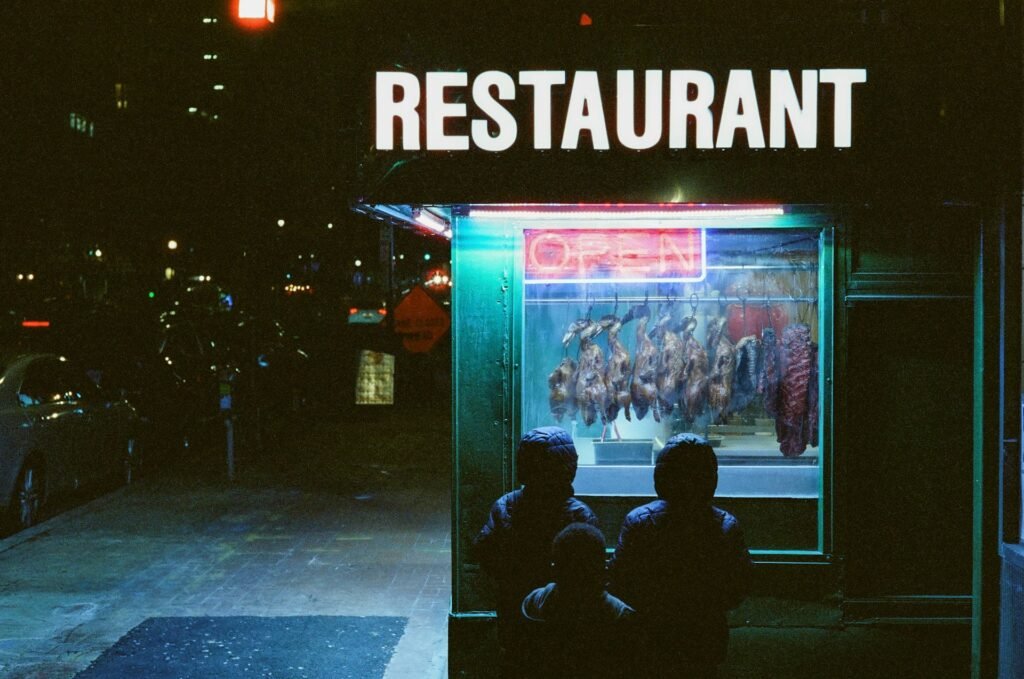
Food is one of the most accessible ways Chicago’s Culture Keepers preserve heritage. Family-owned restaurants, bakeries, food carts, and corner cafés carry recipes that have traveled across borders and generations. Each dish tells a story of migration, adaptation, and survival.
From Polish pierogis and Italian beef to soul food, tamales, biryani, and pho, Chicago’s food culture reflects its diversity. Chicago’s Culture Keepers in the culinary world are often working quietly, focusing on consistency rather than trends. Their establishments become community gathering places where language, music, and memory coexist.
Supporting these businesses is more than an economic choice it is an act of cultural preservation. When these spaces disappear, the city loses pieces of its collective memory.
Culture Keepers in a Changing City
Chicago is constantly evolving. Rising rents, gentrification, and shifting demographics present challenges for cultural preservation. Chicago’s Culture Keepers often find themselves navigating the tension between progress and protection.
Many advocate for landmark status, equitable development, and policies that prioritize community voices. Others work through education, mentorship, and storytelling, ensuring that culture survives even when physical spaces change. Chicago’s Culture understand that preservation is not about resisting change entirely, but about shaping it responsibly.
Younger generations are increasingly stepping into these roles. They use podcasts, digital archives, social media, and independent publications to document stories that might otherwise be lost. This blend of tradition and technology allows Culture Keepers to reach wider audiences while staying rooted in local truth.
Why Chicago’s Culture Keepers Matter
Cities are more than buildings and infrastructure. Without memory, a city becomes hollow. Culture Keepers provide that memory. They remind residents and visitors alike that Chicago’s identity was built through collective effort, creativity, and resilience.
Their work fosters belonging, especially for communities that have historically been marginalized or overlooked. Chicago’s Keepers ensure that cultural contributions are acknowledged and valued, not erased or commercialized without context.
They also shape the future. By teaching history, mentoring youth, and sustaining creative spaces, Culture Keepers empower the next generation to carry forward the city’s spirit with pride.
The Future of Chicago’s Culture Keepers
As Chicago continues to change, the role of those preserving its cultural identity becomes even more critical. Their work is evolving, but their mission remains the same: to protect the city’s cultural heart while allowing it to grow.
The future of Chicago depends on these guardians people who understand that culture is not something to be consumed, but something to be cared for. Through their dedication, Chicago remains unmistakably itself: layered, expressive, resilient, and alive.
Final Thought
Chicago’s Culture Keepers remind us that a city’s true power doesn’t come from its skyline, but from the people who protect its stories. As neighborhoods change and generations shift, their work ensures that Chicago’s cultural heart remains grounded, inclusive, and alive. By honoring the past while nurturing the future, Chicago’s Culture Keepers make sure the city never loses what makes it unmistakably Chicago.
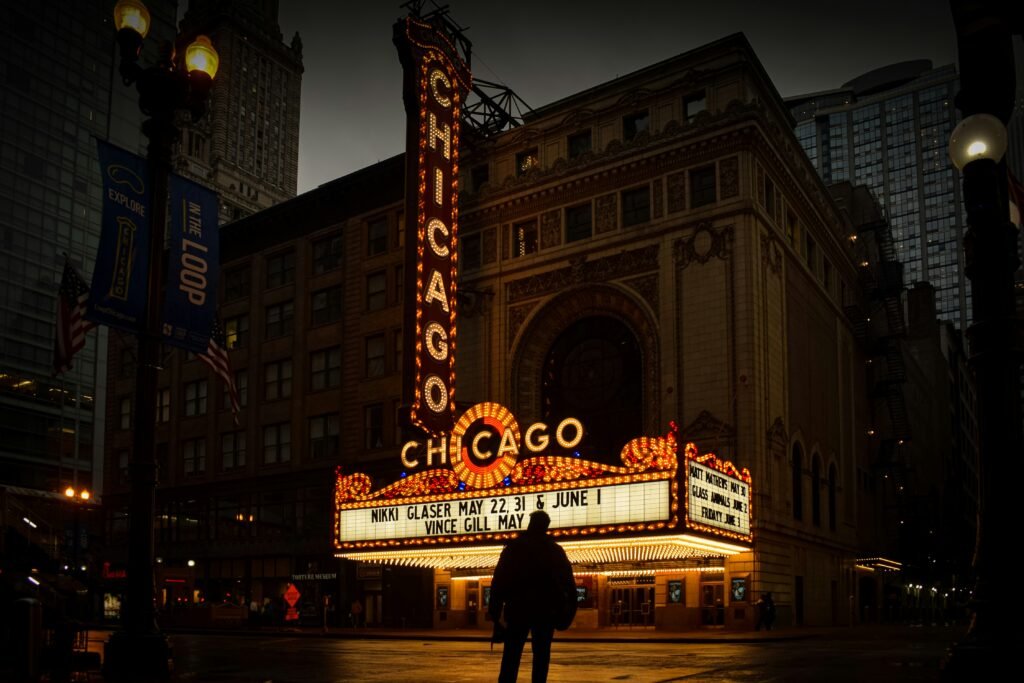
Photo by Rayan Joseph on Unsplash