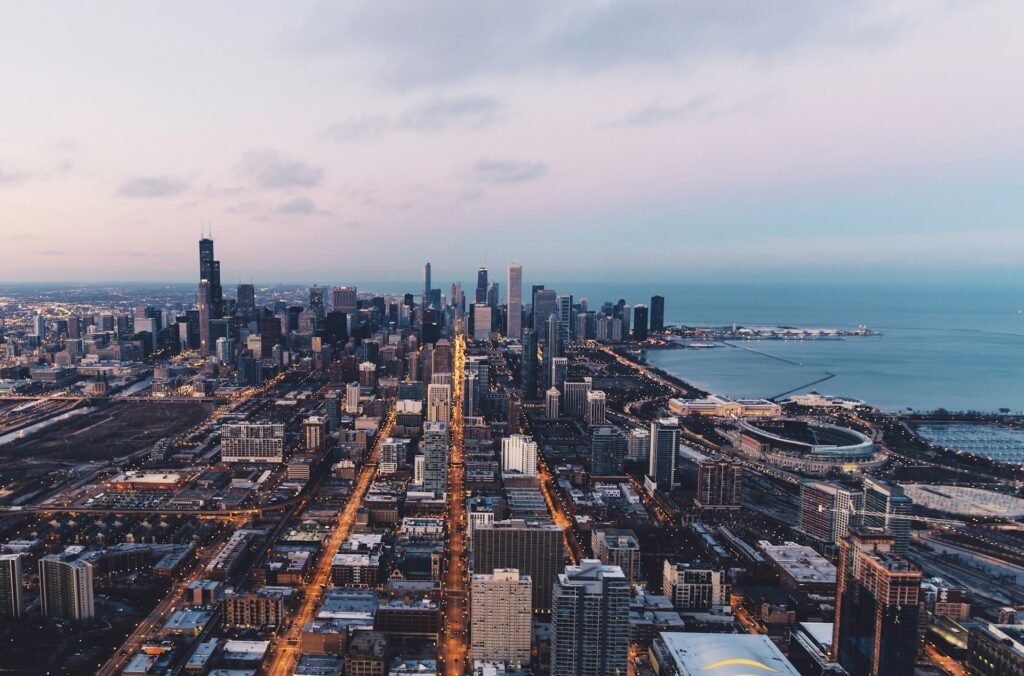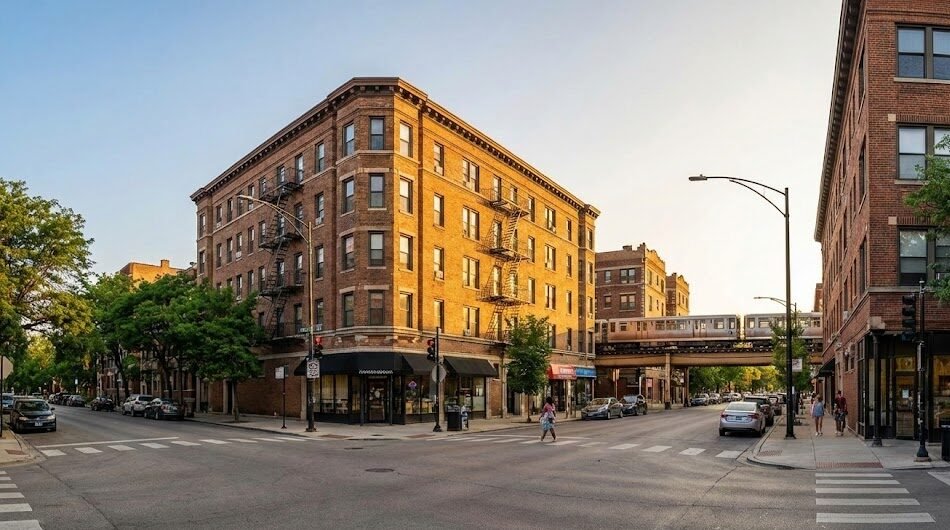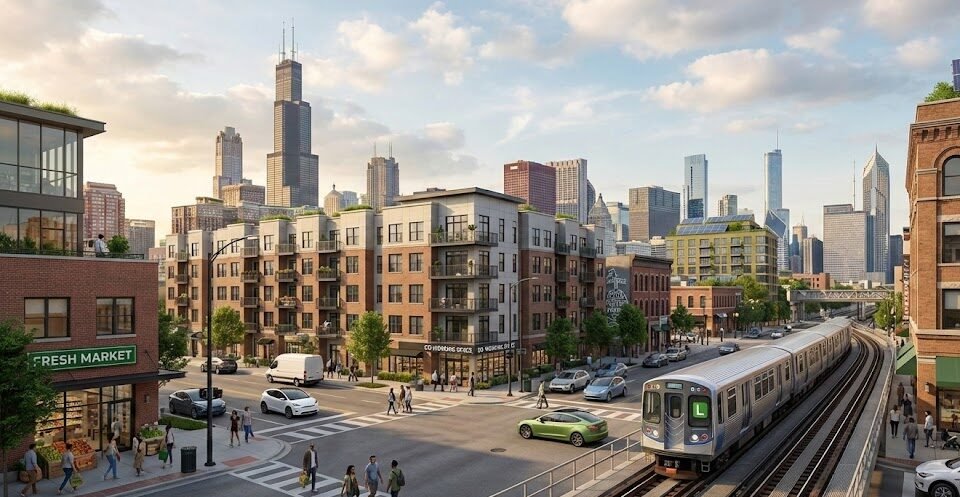
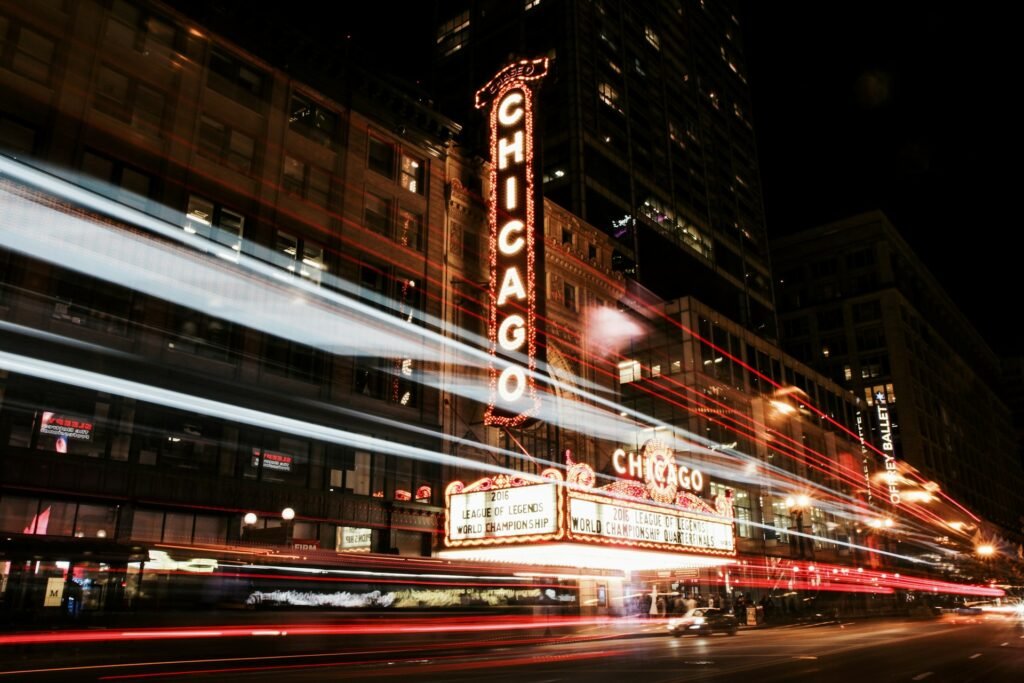
Relocating to the Windy City? Whether you’re drawn by career opportunities, cultural experiences, or simply the allure of deep-dish pizza and lakefront views, moving to Chicago in 2026 requires strategic planning. With over 200 distinct neighborhoods across 77 official community areas, finding the right fit for your lifestyle and budget can feel overwhelming. This comprehensive guide breaks down the best options across every price tier, helping you navigate the city’s dynamic rental market with confidence.
Understanding Chicago’s 2026 Rental Landscape
Before exploring specific neighborhoods, it’s crucial to understand current market conditions. Moving to Chicago in 2026 means entering a market where average citywide rent has reached approximately $2,230 per month, representing a 5% increase from 2025. However, significant variation exists across neighborhoods, with some areas offering exceptional value while others command premium prices for luxury amenities and prime locations.
The city’s rental market divides into three clear tiers: Budget (under $1,400), Mid-Range ($1,500-$2,200), and Luxury ($2,800+). Each tier offers distinct advantages depending on your priorities regarding commute, safety, and neighborhood character.
Budget-Friendly Neighborhoods: Under $1,400
For those moving to Chicago in 2026 on a tight budget, several neighborhoods provide excellent value without sacrificing safety or amenities.
South Shore
With average rents around $950 for a one-bedroom, South Shore stands as one of Chicago’s most affordable lakefront communities. This South Side neighborhood is experiencing a renaissance, with improving safety metrics and renewed investment. Residents enjoy direct Lake Michigan access, historic architecture, and the South Shore Cultural Center. While the commute to downtown requires planning, the Red Line provides reliable transit access.
Albany Park
Offering one-bedroom apartments around $1,150, Albany Park delivers multicultural vibrancy and excellent transit connectivity. This North Side neighborhood features some of the city’s most diverse dining options, with strong Middle Eastern, Latinx, and Korean influences. The Brown Line provides direct downtown access, making it ideal for budget-conscious professionals who refuse to compromise on commute convenience.
Bronzeville
Steeped in Black history and culture, Bronzeville offers two-bedroom apartments for $1,500-$1,700, just 15 minutes from the Loop. This historic neighborhood features stunning greystone architecture, a thriving arts scene, and new coffee roasters alongside jazz clubs. Moving to Chicago in 2026 means catching Bronzeville at an inflection point. Prices remain accessible, but inventory moves quickly as recognition grows.
Mid-Range Options: $1,500-$2,200
These neighborhoods represent the sweet spot for many moving to Chicago in 2026, balancing affordability with amenities and safety.
Avondale
At approximately $1,750 for a one-bedroom, Avondale offers North Side convenience without Logan Square prices. This “older cousin” neighborhood provides authentic Chicago character with Polish bakeries, dive bars, and taquerias rivaling more expensive areas. A five-minute Blue Line ride connects residents to downtown, while surrounding pricier neighborhoods suggest strong future appreciation potential.
Pilsen
This culturally rich neighborhood averages $1,900-$2,100 for one-bedrooms, delivering exceptional value through Blue and Pink Line connectivity, world-class murals, and authentic Mexican cuisine. Moving to Chicago in 2026 means experiencing Pilsen’s evolution while developers have discovered the area, community identity remains strong and prices haven’t reached West Loop levels.
Edgewater
For lakefront living without Gold Coast pricing, Edgewater offers studios under $1,600 with beach access and Red Line convenience. This diverse neighborhood features vintage high-rises with character, excellent schools, and express bus service down Lake Shore Drive for downtown commuters.
Ravenswood
Average rent of $1,850 for a one-bedroom buys tree-lined streets, vintage architecture, and dual transit access via the Brown Line and Metra. Residents enjoy proximity to Lincoln Square’s farmers’ markets and restaurants while paying significantly less for comparable square footage and charm.
Luxury Neighborhoods: $2,800+
For those moving to Chicago in 2026 with generous housing budgets, these neighborhoods offer premium amenities and prestigious addresses.
River North and West Loop
These adjacent downtown neighborhoods command $2,800-$3,800 for two-bedroom apartments, attracting professionals seeking walkable access to corporate offices, acclaimed restaurants, and nightlife. While expensive, these areas offer unmatched convenience for those working in the central business district.
Lincoln Park
With average rents of $2,400 for one-bedrooms and median home prices exceeding $850,000, Lincoln Park represents established luxury. This neighborhood offers top-rated schools, historic brownstones, and the expansive Lincoln Park itself. The trade-off is high cost, but moving to Chicago in 2026 with family priorities makes Lincoln Park worth considering.
Lakeview
As the city’s most popular moving destination (8.6% of all moves in 2025), Lakeview combines lakefront access with vibrant nightlife and excellent transit. Premium pricing reflects high demand, but the neighborhood delivers with Wrigley Field, the Belmont Theater District, and miles of lakefront trail.
Special Considerations for 2026 Moves
Moving Costs by Neighborhood
When budgeting your move to Chicago in 2026, understand that relocation costs vary significantly by area. Premium neighborhoods like Lakeview, Lincoln Park, and River North command 15-25% higher moving costs due to building insurance requirements, elevator reservations, and parking challenges. Expect $1,500-$1,750 for professional two-bedroom moves in these areas, compared to $950-$1,200 in budget-friendly neighborhoods like Belmont Cragin or South Shore.
Transit Access Priorities
Chicago’s CTA system makes car-free living feasible, but moving to Chicago in 2026 requires strategic transit planning. Neighborhoods within 10-minute walks of L stations command premiums but eliminate vehicle expenses. Consider the $75 monthly CTA pass against parking costs exceeding $200 monthly in many buildings.
Safety and Research
While safety varies block-by-block, general trends show the North Side and downtown areas report lower crime rates. However, neighborhoods like Bronzeville and parts of the West Side are experiencing rapid improvement. When moving to Chicago in 2026, visit target areas at different times of day and consult recent crime data rather than relying on outdated reputations.
Conclusion
Moving to Chicago in 2026 offers opportunities across every budget spectrum. From South Shore’s lakefront affordability to Lincoln Park’s established prestige, the city’s 77 community areas ensure options for every lifestyle. Start your search 2-3 months early, verify building amenities and transit access in person, and remember that value often lies just beyond the most popular neighborhoods. Whether you’re drawn by career opportunities, cultural experiences, or simply the promise of summers by the lake, Chicago’s diverse neighborhoods welcome newcomers with distinct character and Midwestern hospitality.
Photo by Neal Kharawala on Unsplash