Raw bars occupy a rare space in food culture, equal parts ritual, craftsmanship, and social gathering. Long before tasting menus and culinary theatrics, raw bars were about one thing: fresh seafood served honestly, with nothing to hide behind. Ice, steel, salt, and shell were all you needed. Decades later, that philosophy still resonates, proving that raw bar culture isn’t a trend, it’s a tradition.
At its core, the raw bar represents a direct connection between the ocean and the table. No excessive garnishes, no overworked sauces. Just pristine seafood handled with respect and served at the peak of freshness. In an era where dining often chases novelty, the raw bar remains timeless because it never stopped being authentic.
The Origins of Raw Bar Tradition
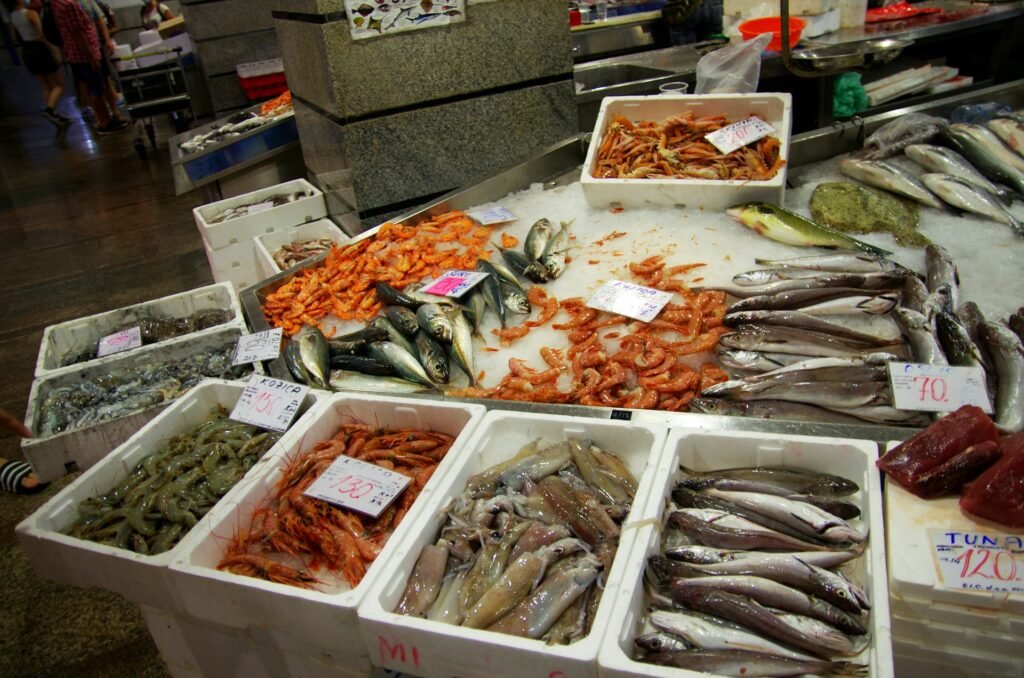
Raw bar culture grew out of necessity and proximity. Coastal communities built their food traditions around what was abundant and fresh: oysters pulled from nearby beds, shrimp hauled in at dawn, crab cracked dockside. Fishermen, shuckers, and dockworkers gathered over simple meals that emphasized flavor and sustenance rather than presentation.
These early raw bars weren’t restaurants in the modern sense. They were extensions of the docks, places where hands stayed rough, conversations stayed loud, and seafood was eaten the way it was caught. Over time, those informal gatherings evolved into dedicated raw bar counters, but the spirit remained unchanged.
The raw bar became a symbol of coastal resilience: unfussy, dependable, and rooted in community.
Salt: Flavor, Preservation, and Heritage
Salt is more than seasoning in raw bar culture; it’s history. Before refrigeration, salt was essential for preserving seafood and enhancing its natural flavors. Even today, salt plays a central role, from the briny liquor inside a freshly shucked oyster to the coarse grains sprinkled over chilled shrimp.
The beauty of raw bar seafood lies in its natural salinity. Oysters reflect the waters they come from, each bite carrying subtle differences shaped by tide, temperature, and mineral content. That sense of place, often called merroir, is what makes raw bars endlessly fascinating.
Salt doesn’t mask flavor here; it reveals it.
Steel: The Tools of the Trade
Every raw bar is defined by its tools. Steel oyster knives worn smooth by years of use. Heavy mallets are designed to crack crab cleanly. Ice bins and chilled trays that keep seafood pristine without freezing its character.
These tools aren’t decorative; they’re functional, time-tested, and essential. Shucking an oyster properly requires skill, strength, and respect for the product. A clean shuck preserves the oyster’s liquor and texture, while a careless one ruins it. That craftsmanship is central to raw bar culture.
Behind every plate of raw seafood is a trained hand and a practiced motion, repeated thousands of times.
Shells: Nature’s Perfect Packaging
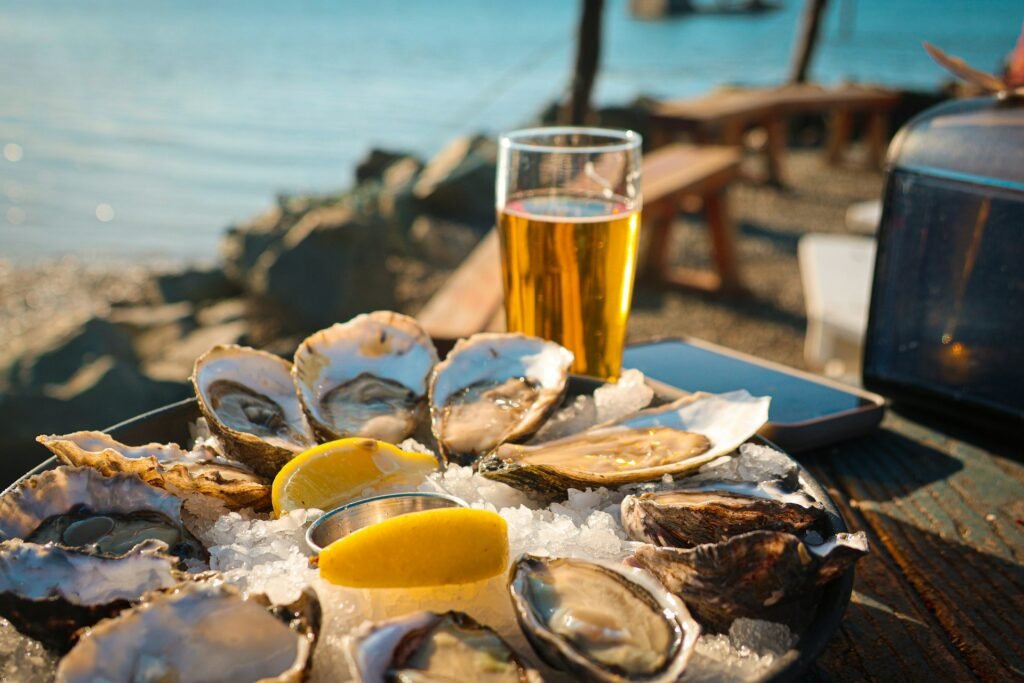
Shells are both protection and presentation. They keep seafood alive and intact until the moment it’s served, preserving freshness in a way no modern packaging can replicate. At the raw bar, shells become natural bowls that cradle oysters, clams, and mussels in ice.
There’s something elemental about eating from the shell. It slows you down. It makes you participate. You lift, tilt, and sip. You crack, peel, and dip. Raw bar dining is tactile, messy, and deeply satisfying because it engages all the senses.
The shells pile up as the meal progresses, marking time and appetite like a record of the feast.
Fresh Seafood: The Non-Negotiable Standard
Freshness isn’t a buzzword in raw bar culture; it’s the entire point. If seafood isn’t exceptional on its own, it has no place on the raw bar. That’s why sourcing matters so much. Quality raw bars prioritize relationships with fisheries and distributors who understand timing, handling, and temperature control.
Oysters should smell like clean ocean air, never fishy. Shrimp should snap when bitten. Crab should be sweet, firm, and rich. There’s no room for compromise because there’s nothing to hide behind.
This uncompromising standard is what separates true raw bars from seafood restaurants that simply offer raw options.
The Social Ritual of the Raw Bar
Raw bars aren’t just about food; they’re about people. Traditionally, raw bars are communal spaces where strangers sit shoulder to shoulder, trade stories, and share recommendations. The act of eating raw seafood encourages conversation. It takes time. It invites pauses.
There’s a shared understanding among raw bar regulars: you’re here to relax, indulge, and enjoy the moment. Cold beer, crisp white wine, or a simple cocktail often accompanies the spread, enhancing rather than overpowering the meal.
In a fast-paced dining culture, the raw bar insists on slowing things down.
No Frills, All Flavor
Perhaps the most enduring aspect of raw bar culture is its resistance to excess. There’s no need for foam, tweezers, or elaborate plating. The best raw bars trust their product. Lemon wedges, hot sauce, and mignonette are accents, not distractions.
This minimalist approach is what keeps raw bars relevant across generations. While dining trends come and go, people always return to food that feels honest. Raw bars don’t chase reinvention because they don’t need to.
They’ve been doing it right all along.
Why Raw Bar Culture Endures
In a world increasingly dominated by curated experiences and fleeting trends, raw bars offer something rare: authenticity without apology. They celebrate imperfection, encourage messiness, and honor tradition without feeling outdated.
Raw bar culture survives because it delivers exactly what it promises: fresh seafood, handled well, enjoyed fully. It reminds us that great food doesn’t need to be complicated, just cared for.
Salt, steel, shells, and fresh seafood. That’s all it takes.
Photo by Meg von Haartman on Unsplash