Fresh seafood has always carried a story, one that begins at the water’s edge and ends at the table. Dockside-to-table seafood isn’t just a phrase; it’s a time-honored philosophy rooted in coastal living, responsible sourcing, and respect for the ocean’s bounty. Long before seafood became a luxury dining experience, it was a daily staple for fishing communities that depended on fresh catches, simple preparation, and shared meals. Today, as diners seek transparency, sustainability, and authentic food experiences, dockside traditions are gaining renewed relevance.
This guide explores how fresh seafood travels from dock to table, why traditional handling and sourcing methods still matter, and how coastal customs continue to shape modern seafood dining. From the importance of harvest timing and temperature control to the rituals of raw bars and communal seafood feasts, dockside-to-table culture reminds us that truly great seafood doesn’t start in the kitchen; it starts on the water.
What “Dockside to Table” Really Means
Dockside to table refers to seafood that is harvested, handled, and served with minimal delay and maximum care. It prioritizes freshness, traceability, and simplicity. Unlike industrial seafood supply chains that emphasize volume and shelf life, dockside traditions focus on quality and immediacy.
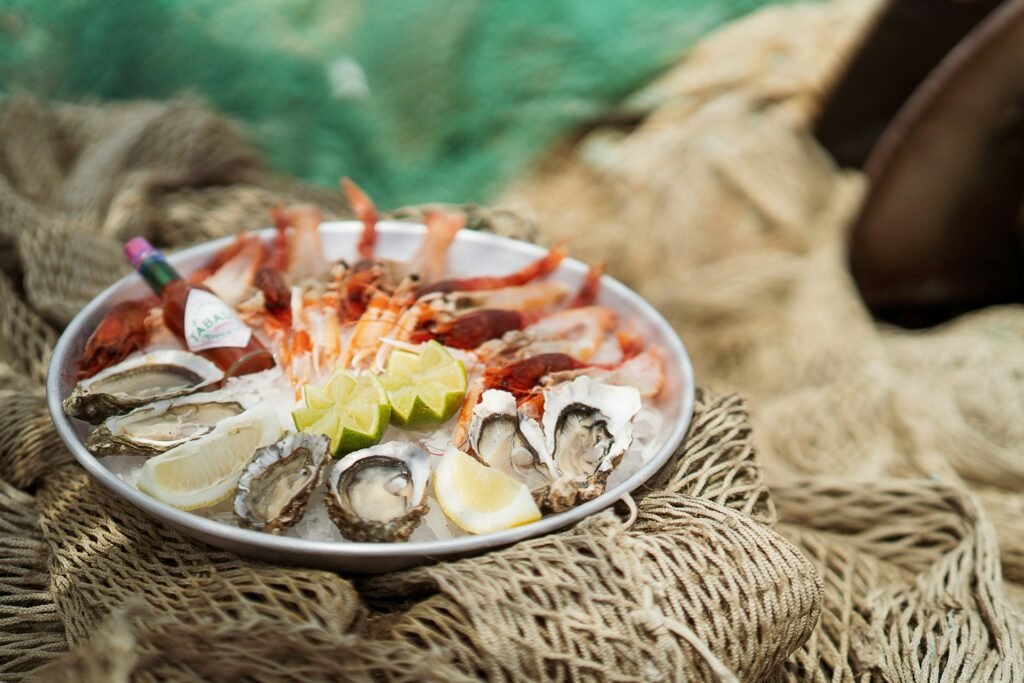
This approach often means fewer intermediaries, faster transport, and preparation methods that highlight natural flavor rather than disguise it. Whether it’s oysters served raw, shrimp chilled on ice, or crab cracked moments before eating, dockside seafood is about preserving what the ocean provides.
The Role of Coastal Communities
Coastal traditions were shaped by necessity. Fishermen depended on the sea not only for income but for daily sustenance. Meals were built around what was available, leading to regional seafood identities defined by local waters, seasons, and techniques.
These communities developed a deep respect for seafood handling. Proper icing, careful cleaning, and quick preparation were essential. Over time, these practices became rituals passed down through generations, forming the backbone of today’s dockside-to-table ethos.
Even as seafood traveled inland, the influence of coastal culture followed, bringing with it an appreciation for freshness and restraint.
Freshness Starts at the Source
The quality of seafood is determined long before it reaches a plate. Harvest timing, water temperature, and handling immediately after catch all impact flavor and texture. Seafood destined for dockside-style service is typically harvested at peak season and handled gently to avoid stress or damage.
Temperature control is critical. Ice isn’t just for presentation; it slows bacterial growth and preserves structure. From dock to distributor to kitchen, maintaining the cold chain ensures seafood arrives tasting clean and vibrant.
This is why fresh seafood often needs little adornment. When sourced and handled properly, its natural character stands on its own.
Traditional Preparation Methods
Dockside cooking has always favored simplicity. Boiling, steaming, grilling, and serving raw are techniques designed to preserve integrity rather than transform it. These methods emphasize texture and natural sweetness without overpowering seasoning.
Raw bars exemplify this philosophy. Oysters, clams, and shrimp are served chilled, often with nothing more than lemon or a light sauce. The goal is not to impress with complexity but to let the seafood speak.
Even cooked preparations tend to be straightforward: crab cracked with mallets, shrimp peeled by hand, fish grilled over open flame. These tactile elements are part of the experience.
The Social Side of Seafood
Dockside-to-table dining is inherently communal. Seafood meals are rarely solitary affairs. They encourage sharing, conversation, and a slower pace. Cracking shells, passing platters, and piling shells at the center of the table turn eating into a collective ritual.
This social aspect has helped seafood traditions endure. They create memories as much as meals. Whether enjoyed at a dockside shack or a modern restaurant inspired by coastal culture, the sense of togetherness remains central.
In a world of fast dining and individual portions, dockside seafood invites people to linger.
Why Dockside Traditions Matter Today
As consumers become more conscious of where their food comes from, dockside-to-table principles resonate strongly. Freshness, transparency, and sustainability are no longer niche concerns; they’re expectations.
Coastal traditions offer a blueprint for responsible seafood consumption. They encourage seasonal eating, respect for fisheries, and appreciation for craftsmanship. Rather than chasing novelty, dockside culture values consistency and care.
This return to fundamentals is why dockside-inspired seafood continues to thrive, even far from the coast.
Bringing Dockside Flavor to Modern Tables
Modern kitchens don’t need to be on the water to honor dockside traditions. By prioritizing sourcing, minimizing handling, and resisting unnecessary embellishment, chefs and home cooks alike can recreate the experience.
The key is restraint. Let freshness guide preparation. Use tools designed for the task. Serve seafood in ways that encourage interaction and enjoyment.
Dockside to table isn’t about nostalgia, it’s about intention.
Conclusion
Dockside to table represents more than a supply chain; it’s a mindset rooted in respect for the sea and the people who harvest from it. From coastal docks to dining tables near and far, this tradition has endured because it delivers what matters most: fresh seafood, honest preparation, and shared experience. In embracing dockside principles, modern diners reconnect with a slower, more meaningful way of eating, one where quality outweighs complexity and tradition guides taste. As food culture evolves, dockside-to-table seafood remains a reminder that the best meals often start at the source and end in good company.
Photo by Mitili Mitili on Unsplash