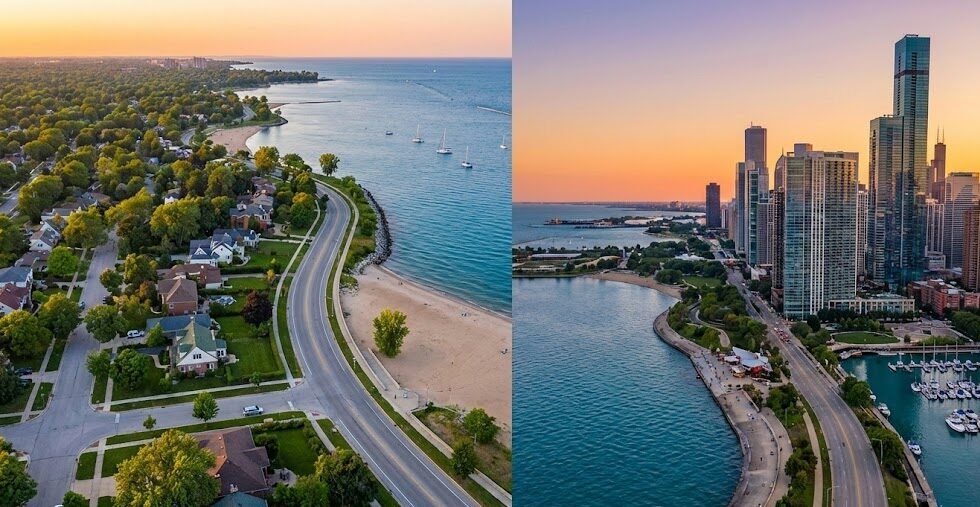

In recent years, a significant demographic shift has been observed across the American Midwest, as young professionals increasingly relocate to major metropolitan centers in the region. This trend represents a notable departure from decades-long patterns of migration toward coastal cities, signaling a fundamental change in how emerging talent evaluates career opportunities and quality of life.
Economic Opportunities and Job Growth
The primary driver of this migration pattern is the robust job market flourishing in Midwest cities. Major industries, including technology, healthcare, finance, and professional services, have expanded substantially, creating abundant employment opportunities for college-educated workers. Companies establishing headquarters or significant operations in these metropolitan areas offer competitive salaries that rival their coastal counterparts, without the corresponding cost-of-living premiums.
Key factors supporting this economic growth include:
- Substantial investment in technology infrastructure and innovation hubs
- Lower operational costs enabling business expansion and hiring
- Strategic geographic positioning for national distribution and logistics
- Strong partnerships between private sector employers and regional universities
- Government incentives and tax benefits for emerging businesses
Affordable Housing and Quality of Life
Beyond employment prospects, the cost of housing represents a significant advantage for young professionals relocating to Midwest cities. Real estate prices remain substantially lower than comparable properties in major coastal metropolitan areas, allowing professionals to achieve homeownership earlier in their careers and build equity more rapidly.
Additionally, these urban centers offer enhanced quality-of-life metrics, including shorter commute times, vibrant cultural districts, diverse dining and entertainment options, and robust recreational amenities. Many young professionals report that the ability to enjoy an active social life without sacrificing financial stability represents a compelling advantage of Midwest relocation.
Educational Infrastructure and Talent Development
The presence of world-class universities and educational institutions throughout the Midwest creates a continuous pipeline of talented professionals while facilitating ongoing professional development opportunities. These institutions serve as anchors for innovation and research, attracting investment and establishing centers of excellence across numerous sectors.
Urban Development and Community Investment
Midwest cities have invested significantly in downtown revitalization projects, transforming historic districts into contemporary mixed-use spaces that appeal to younger demographics. Renewed emphasis on pedestrian-friendly infrastructure, public transportation improvements, and strategic investment in parks and public spaces has created dynamic urban environments that compete effectively with established coastal cities.
Networking and Professional Communities
The influx of young professionals has catalyzed the development of robust networking ecosystems and professional communities. Business associations, industry-specific meetups, and startup incubators now thrive in these metropolitan areas, facilitating meaningful professional connections and collaborative opportunities that support career advancement and entrepreneurial ventures.
Looking Forward
As this migration trend continues, Midwest metropolitan areas are poised to strengthen their position as premier destinations for ambitious young professionals. The combination of economic opportunity, affordable living, quality urban amenities, and strong community infrastructure creates a compelling value proposition that is reshaping the landscape of American professional migration for generations to come.