
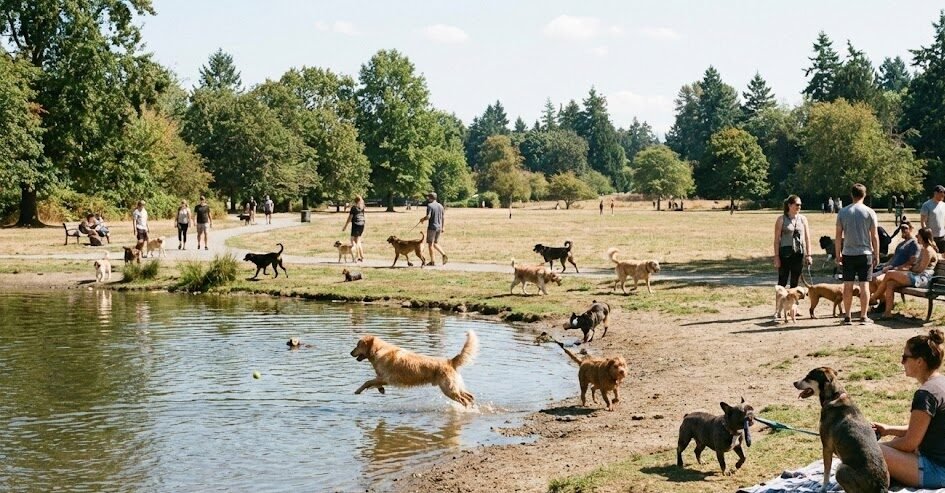
Pet ownership has become increasingly popular, with millions of dog owners seeking appropriate spaces to exercise and socialize their canine companions. Pet-friendly parks serve as essential recreational destinations, offering dedicated areas where dogs can enjoy outdoor activities in a safe, controlled environment. These parks provide numerous benefits for both dogs and their owners, including physical exercise, mental stimulation, and opportunities for social interaction within the pet community.
The Importance of Quality Dog Parks
Well-maintained pet-friendly parks contribute significantly to the overall health and wellness of dogs. Regular physical activity helps prevent obesity, behavioral problems, and various health complications. Furthermore, socialization in designated dog parks allows pets to develop appropriate interaction skills with other animals while providing owners with peace of mind regarding safety and supervision.
Key Features to Look For in a Pet-Friendly Park
When selecting an appropriate park for your dog, several essential features should be considered to ensure an optimal experience:
- Secure Fencing: Properly maintained perimeter fencing prevents dogs from escaping and protects them from external hazards.
- Separate Areas: Designated zones for small and large dogs reduce the risk of injury and allow for more compatible play groups.
- Shade and Water: Adequate shade structures and fresh water stations are crucial for preventing heat exhaustion and dehydration.
- Well-Maintained Grounds: Clean, properly maintained surfaces reduce the transmission of diseases and parasites.
- Waste Management: Convenient waste disposal stations and bag dispensers promote cleanliness and responsible pet ownership.
- Parking and Accessibility: Convenient parking and accessible pathways enhance the overall visitor experience.
Popular Pet-Friendly Park Amenities
Modern dog parks increasingly offer comprehensive amenities designed to enhance the experience for both dogs and owners. These amenities may include agility equipment, swimming areas, dog training facilities, and social spaces for owners to gather. Some parks also provide grooming stations, veterinary services, and retail outlets specializing in pet products.
Safety Considerations and Park Rules
Responsible park management includes establishing and enforcing clear safety guidelines. Most pet-friendly parks require current vaccinations, proof of ownership, and adherence to behavioral standards. Common regulations include leash requirements in non-designated areas, prohibition of aggressive dogs, and mandatory supervision by adult owners. Understanding and respecting these rules ensures a safe, enjoyable environment for all park visitors.
Seasonal Considerations for Park Visits
Dog owners should consider seasonal factors when planning park visits. During summer months, early morning or evening visits help avoid excessive heat exposure. Winter visits may require protective gear for dogs sensitive to cold weather. Spring and fall typically offer ideal conditions with moderate temperatures and comfortable outdoor conditions.
Tips for Maximizing Your Park Experience
To ensure productive and enjoyable visits to pet-friendly parks, consider the following recommendations:
- Arrive during off-peak hours if your dog prefers quieter environments
- Bring adequate water and portable bowls to maintain proper hydration
- Monitor your dog’s behavior and interactions with other animals continuously
- Ensure your dog wears proper identification in case of accidental separation
- Maintain updated vaccinations and health records
- Pack waste bags and dispose of them appropriately
- Establish clear recall commands before visiting the park
Finding Pet-Friendly Parks in Your Area
Numerous resources can help locate quality pet-friendly parks in your vicinity. Online directories, municipal parks and recreation websites, and local pet community organizations provide comprehensive information about available facilities. Social media groups dedicated to local pet owners often share recommendations and reviews of nearby parks, enabling informed decision-making.
Conclusion
Pet-friendly parks represent invaluable community resources that enhance the quality of life for dogs and their owners. By selecting parks with appropriate amenities, following established guidelines, and maintaining responsible ownership practices, dog owners can provide their pets with enriching outdoor experiences that promote physical health, mental stimulation, and positive social development. Investing time to identify and regularly visit quality pet-friendly parks demonstrates a commitment to comprehensive pet care and community responsibility.