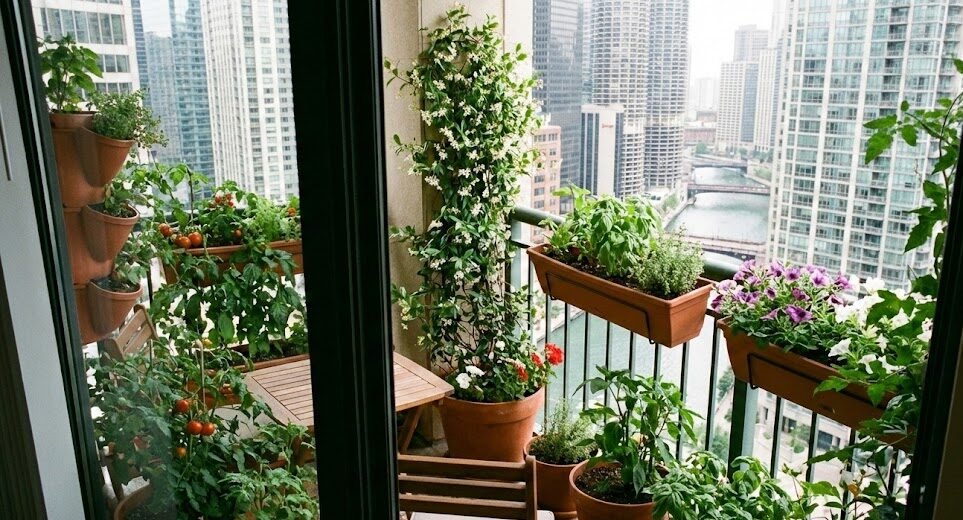
Urban living in high-rise apartments presents unique opportunities for cultivating a thriving garden despite limited space. Balcony gardening has emerged as a practical solution for apartment dwellers seeking to incorporate greenery, fresh produce, and natural beauty into their homes. This comprehensive guide explores the essential strategies, techniques, and considerations for establishing a successful balcony garden in a high-rise environment.
Understanding Your Balcony Environment
Before commencing any gardening project, it is imperative to assess the specific conditions of your balcony. The amount of natural light, wind exposure, temperature fluctuations, and available space will directly influence your plant selection and garden design.
Light Assessment
Determine the quantity and duration of sunlight your balcony receives throughout the day. Most flowering plants and vegetables require a minimum of six hours of direct sunlight daily. Document the sun’s path across your balcony during different seasons to identify optimal plant placement zones. North-facing balconies typically receive limited light and are better suited for shade-tolerant plants, while south-facing balconies offer abundant sunlight ideal for sun-demanding species.
Wind and Weather Patterns
High-rise balconies are frequently exposed to strong winds that can damage delicate plants and dry out soil rapidly. Observe wind patterns throughout the day and consider implementing windbreaks or strategically positioning containers to mitigate excessive exposure. Additionally, monitor temperature variations, particularly during seasonal transitions, as elevated positions may experience more extreme temperature fluctuations than ground-level gardens.
Space Evaluation
Carefully measure your balcony dimensions to determine the maximum weight capacity and available planting area. Structural limitations often necessitate creative vertical gardening solutions and the selection of lightweight containers and soil alternatives.
Essential Supplies and Materials
Establishing a well-equipped balcony garden requires several fundamental materials and supplies.
- Containers: Select lightweight options such as fiberglass, resin, or fabric pots rather than traditional ceramic or concrete. Ensure adequate drainage holes in all containers to prevent waterlogging.
- Quality Potting Soil: Utilize high-quality, lightweight potting mix specifically formulated for container gardening rather than heavy garden soil.
- Watering System: Invest in a watering can with a fine spray or consider installing drip irrigation to maintain consistent moisture levels while conserving water.
- Fertilizers: Container-grown plants require regular nutrient replenishment; select organic or slow-release fertilizers appropriate for your specific plants.
- Plant Supports: Prepare trellises, stakes, and cages for climbing or vining plants to maximize vertical space utilization.
- Protective Equipment: Include gardening gloves, pruning shears, and a small spade or trowel in your gardening toolkit.
Selecting Appropriate Plants for High-Rise Balconies
Plant selection is crucial for successful balcony gardening. Choose species that tolerate wind exposure, thrive in containers, and match your balcony’s light conditions.
Wind-Resistant Plants
Prioritize hardy, compact plants with flexible stems that withstand strong winds. Suitable options include ornamental grasses, sedums, lavender, Russian sage, and dwarf evergreens. These plants not only endure harsh conditions but also require minimal maintenance.
Edible Plants for Container Growing
For gardeners interested in cultivating fresh produce, numerous vegetables and herbs flourish in containers. Tomatoes, peppers, lettuce, spinach, kale, basil, parsley, and mint are excellent choices for balcony cultivation. Ensure adequate container depth—at least twelve inches for most vegetables—and consistent watering schedules.
Flowering Plants and Ornamentals
Enhance your balcony’s aesthetic appeal with carefully selected flowering plants. Petunias, marigolds, impatiens, begonias, and calibrachoa provide continuous color throughout the growing season and thrive in container environments. Consider incorporating trailing varieties such as ivy or creeping jenny to add dimension and vertical interest.
Vertical Gardening Techniques
Maximizing limited balcony space requires strategic implementation of vertical gardening methods.
Wall-Mounted Planters
Install wall-mounted planters or living wall systems along balcony walls to expand growing space without occupying floor area. These systems are particularly effective for herbs, trailing plants, and small flowering species.
Tiered Plant Stands
Utilize multi-tiered plant stands or shelving units to create multiple growing levels within your balcony space. This approach improves air circulation, maximizes sunlight exposure, and creates visual depth.
Hanging Baskets and Suspended Containers
Suspend hanging baskets and containers from balcony railings or overhead structures to utilize otherwise unused vertical space. This technique works exceptionally well for trailing plants and hanging vegetables such as hanging tomato varieties.
Watering and Moisture Management
Proper hydration is essential for container garden success, particularly in high-rise environments where wind exposure increases evaporation rates.
Establish a consistent watering schedule, checking soil moisture daily during growing season. Container plants typically require more frequent watering than ground-level gardens. Water thoroughly until excess drains from container holes, ensuring complete soil saturation. Consider using self-watering containers or installing a simple drip irrigation system to maintain consistent moisture levels while reducing daily maintenance requirements.
Monitor water drainage to prevent pooling on balcony floors, which may cause structural concerns or neighbor relations issues. Implement saucers or drip trays beneath containers to manage excess water effectively.