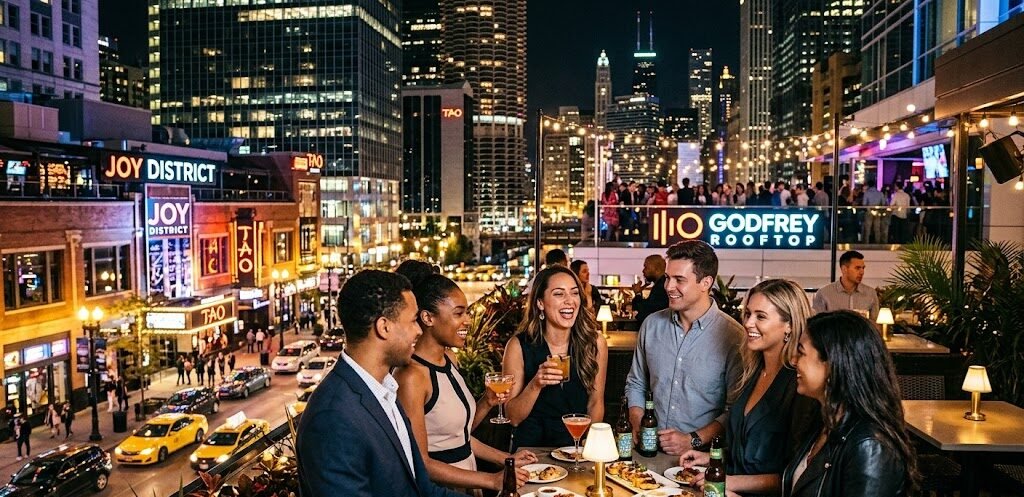
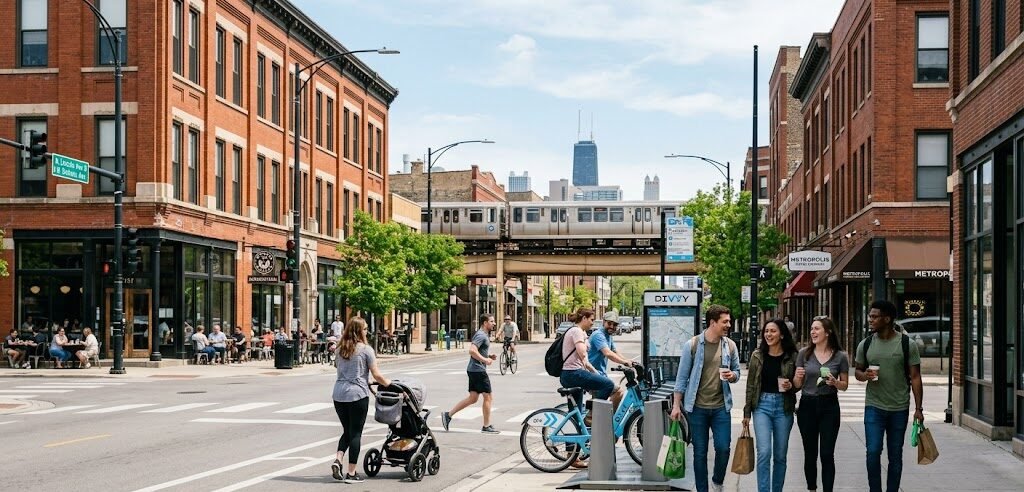
Chicago’s dynamic urban landscape offers numerous neighborhoods where residents can thrive without owning a car. With an extensive public transportation network, pedestrian-friendly streets, and abundant local amenities, several Chicago communities stand out as exceptional choices for those pursuing a car-free lifestyle. This guide explores the best walkable neighborhoods that provide convenient access to transit, dining, shopping, and entertainment options.
Loop and Downtown Chicago
The Loop represents Chicago’s commercial and cultural heart, making it an ideal destination for car-free living. This neighborhood boasts unparalleled walkability with the Chicago “L” rapid transit system providing comprehensive connections throughout the city. Residents enjoy immediate access to the Chicago River, Millennium Park, and the Art Institute, alongside countless restaurants, retailers, and office spaces.
Downtown living offers several advantages for those abandoning car ownership. The proximity to major transit hubs ensures reliable transportation to any neighborhood in Chicago. Additionally, the concentration of services, entertainment venues, and cultural institutions within walking distance reduces dependency on motorized transportation for daily activities.
Lincoln Park
Lincoln Park combines residential charm with urban convenience, earning recognition as one of Chicago’s most walkable neighborhoods. This North Side community features tree-lined streets, boutique shops, independent cafes, and the expansive Lincoln Park itself—a 1,208-acre green space offering recreational opportunities for all seasons.
The neighborhood’s appeal extends beyond aesthetics. Multiple “L” stations provide direct access to downtown and surrounding areas, while bus routes supplement transit options. The pedestrian-friendly retail district along Armitage Avenue and Clybourn Corridor offers shopping and dining without requiring vehicle travel. Young professionals and families particularly value Lincoln Park’s balance of urban convenience and neighborhood character.
Wicker Park and Bucktown
These adjacent West Side neighborhoods have emerged as vibrant destinations for car-free residents seeking artistic communities and affordability. Wicker Park’s Milwaukee Avenue corridor pulses with independently-owned restaurants, vintage boutiques, art galleries, and live music venues that reflect the area’s creative spirit.
Transit accessibility strengthens these neighborhoods’ car-free credentials. The Blue Line provides direct connections to downtown and O’Hare International Airport, while numerous bus routes serve local and regional destinations. The relatively compact geography allows residents to accomplish most daily tasks on foot or by bicycle, contributing to the area’s growing appeal among younger professionals and artists.
Pilsen
Pilsen showcases Chicago’s rich cultural diversity and artistic vitality while maintaining excellent walkability for car-free residents. This predominantly Mexican-American neighborhood features vibrant street murals, authentic restaurants, and a thriving arts scene centered around galleries and performance spaces.
The Red Line “L” station provides reliable transit connections to downtown and other neighborhoods, while multiple bus routes enhance accessibility. Pilsen’s relatively dense urban form ensures that groceries, healthcare services, and entertainment venues remain within walking distance. The neighborhood’s affordability and cultural authenticity continue attracting residents seeking authentic urban experiences without automobile dependence.
Lakeview
Lakeview’s proximity to Lake Michigan and its extensive commercial corridors make it an attractive choice for car-free living on Chicago’s North Side. The neighborhood’s lakefront location provides residents with free recreational opportunities including beaches, jogging paths, and waterfront parks.
Commercial strips along Belmont Avenue and Clark Street offer diverse shopping, dining, and entertainment options within walking distance. The Red, Brown, and Purple Lines serve multiple Lakeview stations, ensuring convenient transit access throughout the city. The neighborhood’s young professional demographic and abundant bars, restaurants, and cultural venues create an active street life that supports pedestrian-oriented living.
Logan Square
Logan Square has transformed into one of Chicago’s most dynamic neighborhoods, attracting residents seeking vibrant cultural scenes and walkable urban environments. The neighborhood centers around the iconic Logan Square monument and extends across residential blocks filled with converted warehouses, art spaces, and innovative businesses.
Transit connectivity defines Logan Square’s accessibility for car-free residents. The Blue Line provides direct service to downtown and O’Hare, while the Pink Line connects to the Midway Airport. Bus routes crisscross the neighborhood, creating redundancy in transit options. The thriving restaurant scene, boutique shopping, and cultural institutions like the National Museum of Puerto Rican Arts & Culture ensure residents can meet most needs within the neighborhood itself.
Near North Side and Gold Coast
The Near North Side encompasses several walkable neighborhoods, including the prestigious Gold Coast along Lake Shore Drive. These communities offer upscale dining and shopping while maintaining reasonable walkability and excellent transit access.
The proximity to downtown, combined with Red and Brown Line service, makes car-free living practical for residents. The neighborhood’s tree-lined residential streets contrast with busy commercial corridors, creating diverse environments for pedestrians. While this area typically carries higher housing costs, the convenience and services justify the investment for many car-free residents.
Andersonville
Andersonville represents a distinctive Swedish-heritage neighborhood on Chicago’s Far North Side that welcomes car-free residents seeking community-oriented living. Clark Street’s commercial corridor features independent shops, vintage stores, and restaurants that give the neighborhood distinctive character.
The Red Line provides transit connections to downtown and other neighborhoods, while bus routes supplement transportation options. The neighborhood’s walkable scale, local parks, and strong sense of community appeal to residents prioritizing livability over central location. Andersonville demonstrates that car-free living extends beyond downtown and Near North neighborhoods.
Essential Considerations for Car-Free Living
Choosing a walkable neighborhood represents just the first step toward successful car-free living in Chicago. Potential residents should evaluate personal commute patterns, access to essential services, climate tolerance, and lifestyle priorities before relocating.
Chicago’s winters present legitimate challenges for pedestrian-oriented living, requiring residents to maintain appropriate clothing and footwear. However, the comprehensive “L” system and bus network ensure weather rarely prevents transportation access. Additionally, many neighborhoods offer covered transit stations and underground shopping areas that minimize weather exposure during winter months.
Conclusion
Chicago offers exceptional opportunities for car-free living through its diverse, walkable neighborhoods and comprehensive transit infrastructure. Whether seeking artistic communities, cultural experiences, lakefront access, or downtown convenience, residents can find neighborhoods matching their preferences and lifestyle goals.