
Understanding Co-Living Spaces in Chicago
Co-living represents a modern residential model that combines private living quarters with shared communal spaces, offering an innovative solution to the housing affordability crisis affecting major metropolitan areas. In Chicago, this housing trend has gained significant traction as young professionals, students, and remote workers seek cost-effective alternatives to traditional apartments without compromising on lifestyle quality or community engagement.
Unlike conventional roommate arrangements, co-living spaces are professionally managed residential communities designed to foster social interaction while maintaining individual privacy. These developments typically feature private bedrooms and bathrooms alongside shared kitchens, lounges, co-working areas, and amenity spaces, creating a balanced living environment that appeals to diverse demographics.
The Financial Advantages of Co-Living
The primary benefit of co-living in Chicago is substantial cost reduction. Rent in co-living facilities typically ranges from 20 to 40 percent lower than comparable studio and one-bedroom apartments in the same neighborhoods. This pricing advantage results from economies of scale, shared utility costs, and efficient space utilization that professional management companies have perfected across their portfolios.
- Monthly rent savings compared to traditional apartments
- Reduced utility expenses through shared infrastructure
- Included amenities eliminating separate subscription costs
- Flexibility in lease terms with month-to-month options
- No additional fees for community facilities and services
Chicago’s Emerging Co-Living Neighborhoods
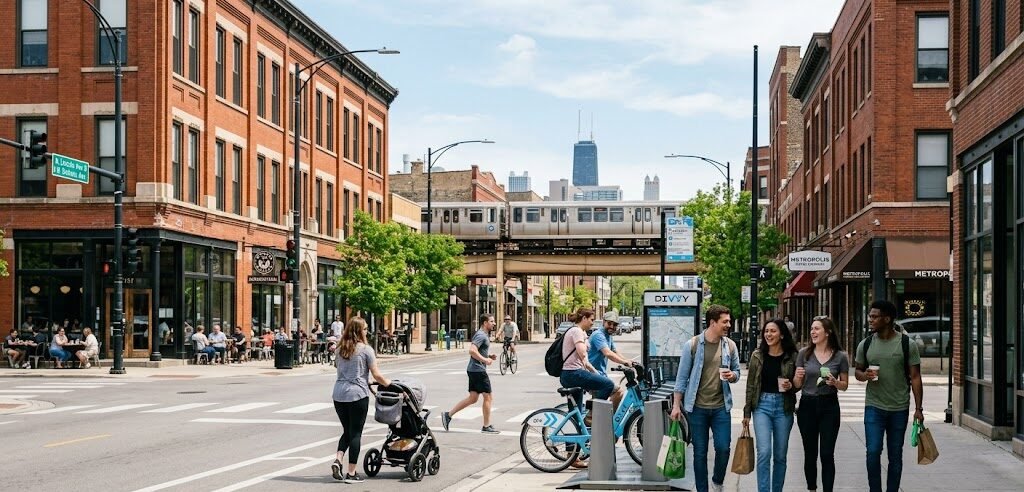
Several Chicago neighborhoods have become hotspots for co-living development, each offering distinct advantages and community characteristics. The West Loop neighborhood, known for its vibrant dining and cultural scene, hosts multiple co-living communities attracting young professionals. Similarly, the Lincoln Park and Wicker Park areas provide access to excellent public transportation, employment centers, and entertainment venues alongside co-living options.
The Fulton Market district has emerged as a particularly attractive location, combining newly renovated industrial spaces with modern amenities and proximity to downtown employment hubs. These neighborhoods offer residents not only affordable housing but also authentic Chicago experiences within walkable communities.
Community and Social Benefits
Beyond financial considerations, co-living spaces cultivate vibrant communities through intentionally designed social programming and shared experiences. Professional management teams organize networking events, skill-sharing workshops, fitness classes, and social gatherings that help residents build meaningful connections and professional relationships.
This community-focused approach addresses a significant challenge in modern urban living: the isolation and loneliness that often accompany independent apartment living. Co-living residents report higher satisfaction rates regarding social engagement and community belonging compared to traditional housing arrangements.
Amenities and Services Included
Co-living communities in Chicago distinguish themselves through comprehensive amenity packages that would be prohibitively expensive for individual renters to access. Typical offerings include high-speed internet, premium furniture, in-unit laundry alternatives, and access to fitness facilities.
- Fully furnished private bedrooms with quality furnishings
- High-speed internet connectivity throughout communities
- Professional-grade kitchen equipment in shared spaces
- State-of-the-art fitness and wellness centers
- Dedicated co-working spaces with video conferencing capabilities
- Concierge services and building management support
- Regular cleaning and maintenance of common areas
Considerations for Prospective Residents
While co-living offers substantial advantages, prospective residents should carefully evaluate whether this housing model aligns with their lifestyle preferences and professional needs. The shared living environment requires comfort with common spaces and interaction with diverse housemates, which may not suit individuals preferring solitude or those with unconventional schedules.
Additionally, lease terms and cancellation policies vary significantly among providers. Potential residents should thoroughly review contract terms, guest policies, and community guidelines before committing to ensure compatibility with their expectations and lifestyle requirements.
The Future of Affordable Housing in Chicago
Co-living spaces represent an important component of Chicago’s response to housing affordability challenges. As housing costs continue rising and younger generations prioritize flexibility and community, demand for professionally managed co-living communities will likely increase substantially. Real estate developers and property managers recognize this trend, with numerous new projects planned across Chicago’s neighborhoods.
The success of co-living in Chicago demonstrates how innovative residential models can address urban housing crises while creating vibrant communities that enhance quality of life. For individuals seeking affordable housing without sacrificing location, amenities, or social connection, co-living spaces offer a compelling solution worth serious consideration.
Getting Started with Chicago Co-Living
Prospective residents interested in exploring co-living options should begin by researching established communities in their preferred Chicago neighborhoods. Most co-living providers offer virtual tours, detailed community information, and responsive customer service to help individuals assess fit and make informed decisions.
The application process typically involves background verification, income assessment, and community compatibility evaluation to ensure positive experiences for all residents. Once approved, new residents can often move in with minimal notice, enjoying the flexibility and affordability that defines the modern co-living experience in Chicago.