As temperatures drop and daylight hours diminish, maintaining a thriving indoor garden becomes increasingly challenging. Winter presents unique obstacles for plant enthusiasts, including reduced natural light, lower humidity levels, and temperature fluctuations. However, selecting the right plants can ensure your indoor spaces remain vibrant and green throughout the coldest months. This comprehensive guide explores the best indoor plants that not only survive but flourish during winter conditions.
Understanding Winter Plant Requirements
Before selecting winter-suitable plants, it is essential to understand how environmental factors change during this season. Most indoor spaces experience decreased natural light exposure, which directly impacts photosynthesis and plant growth. Additionally, heating systems reduce ambient humidity, potentially causing stress to moisture-dependent species. Temperature consistency becomes critical, as many plants struggle with the drafts and temperature swings common in winter environments.
Top Indoor Plants for Winter Survival
Pothos (Devil’s Ivy)
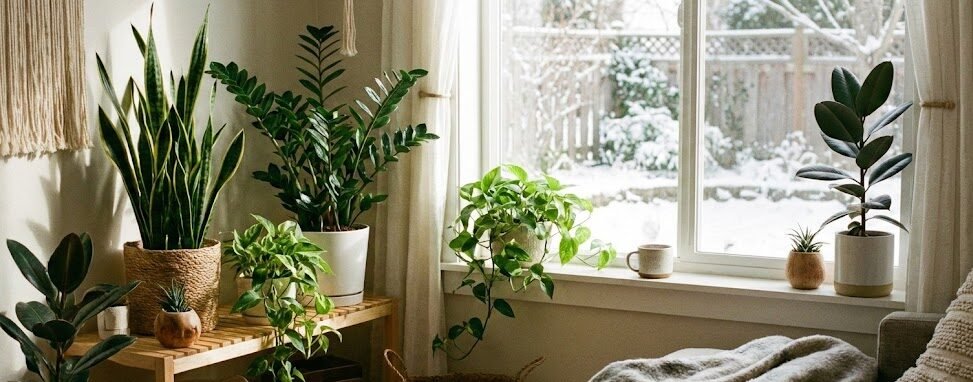
Pothos remains one of the most resilient indoor plants for winter conditions. This trailing vine thrives in low to moderate light and tolerates the dry air created by heating systems. Its ability to adapt to various temperature ranges makes it an excellent choice for maintaining visual interest during winter months. Watering requirements decrease naturally in winter, reducing the likelihood of root rot—a common winter problem.
Snake Plant (Sansevieria)
The snake plant stands out as an exceptionally hardy option for winter gardeners. This succulent requires minimal water and can survive in low-light conditions, making it perfect for winter’s shorter days. Snake plants actively prefer the cooler temperatures that winter brings and actually benefit from the dormancy period. Their architectural form provides year-round visual appeal with virtually no maintenance.
ZZ Plant (Zamioculcas Zamiifolia)
ZZ plants exhibit remarkable tolerance for winter’s challenging conditions. These plants prefer indirect light and can thrive in the reduced illumination typical of winter environments. Their waxy foliage resists moisture loss, and they require infrequent watering—a significant advantage when plant metabolism slows during colder months. ZZ plants also improve indoor air quality, providing functional benefits beyond aesthetics.
Rubber Plant (Ficus Elastica)
Despite their tropical origins, rubber plants demonstrate surprising cold tolerance when maintained indoors. These plants prefer consistent temperatures above 50°F and benefit from placement near windows to maximize available winter light. Their large, glossy leaves make a dramatic statement in any interior, and they require less frequent watering during winter months, simplifying seasonal care routines.
Dracaena Varieties
Various dracaena species, including Dragon Tree and Corn Plant varieties, excel as winter houseplants. These plants tolerate low light conditions and fluctuating temperatures more effectively than many alternatives. Their elongated, colorful foliage adds visual variety to indoor spaces, and they require minimal intervention during winter dormancy. Most dracaenas actually prefer slightly cooler temperatures, aligning perfectly with winter environments.
Philodendron
Philodendrons rank among the most forgiving houseplants for winter cultivation. These plants adapt well to the reduced light and humidity characteristic of winter months. Their heart-shaped leaves and trailing or climbing growth habits provide design flexibility for any interior space. Philodendrons require less frequent watering in winter, and their slow growth during this season reduces overall maintenance demands.
Cast Iron Plant (Aspidistra Elatior)
The cast iron plant earned its name through exceptional durability and resilience. This plant thrives in low-light conditions and tolerates temperature variations and dry air remarkably well. Cast iron plants grow slowly, particularly during winter months, requiring minimal fertilization or pruning. Their deep green foliage provides consistent visual interest regardless of seasonal changes.
Parlor Palm (Chamaedorea Elegans)
For those seeking tropical ambiance during winter, the parlor palm offers an excellent solution. This compact palm species tolerates lower light levels and maintains visual interest through its feathery fronds. While parlor palms prefer humidity, they adapt well to indoor heating environments when provided adequate indirect light. Their slow winter growth requires minimal pruning or intervention.
Winter Plant Care Essentials
Lighting Strategies
Maximizing available natural light becomes critical during winter months. Position plants near south or west-facing windows where light penetration is optimal. Consider supplementing with grow lights during particularly dark periods or in regions with extended winter seasons. LED grow lights provide energy-efficient illumination without excessive heat generation.
Watering Adjustments
Plant metabolism decreases significantly in winter, reducing water consumption. Most houseplants require 50% less water during cold months compared to growing seasons. Allow soil to dry slightly more between waterings, and use room-temperature water to avoid shocking plant root systems. Monitor soil moisture carefully rather than adhering to fixed watering schedules.
Humidity Management
Indoor heating systems drastically reduce humidity levels, potentially stressing plants. Group plants together to create a microclimate with slightly elevated humidity. Alternatively, place plants on pebble trays filled with water, ensuring containers do not contact standing water directly. Misting foliage occasionally can provide temporary humidity relief, though this method alone rarely provides sufficient moisture for prolonged periods.
Temperature Consistency
Maintain indoor temperatures between 60°F and 75°F for optimal plant health. Position plants away from heating vents, cold drafts, and exterior doors where temperature fluctuations are most dramatic. Consistent temperatures encourage stable growth and reduce plant stress during winter dormancy periods.
Conclusion
Successfully maintaining indoor plants throughout winter requires thoughtful plant selection and adjusted care practices. By choosing hardy, adaptable species such as pothos, snake plants, and ZZ plants, and implementing proper seasonal care strategies, indoor gardeners can sustain vibrant green spaces during the most challenging months. These winter-hardy plants not only survive seasonal changes but often thrive in the cooler, lower-light conditions that define winter environments, ensuring year-round botanical beauty within your home.