Introduction to Chicago Farmers Markets
Chicago’s farmers markets represent a vital connection between local agricultural producers and urban consumers seeking fresh, high-quality produce. These markets have become integral components of the city’s food culture, offering residents direct access to seasonal fruits, vegetables, meats, and artisanal products. Whether you are a longtime Chicago resident or a newcomer exploring the city’s culinary landscape, understanding the diverse farmers market options available can enhance your shopping experience and support local agricultural communities.
Benefits of Shopping at Chicago Farmers Markets
Shopping at farmers markets provides numerous advantages for both consumers and the local economy. Direct purchases from farmers ensure that a larger portion of your spending supports local producers rather than intermediary distributors. Additionally, produce sold at farmers markets is typically harvested at peak ripeness, offering superior flavor and nutritional content compared to supermarket alternatives that may have traveled considerable distances.
Farmers markets also foster a sense of community engagement and environmental stewardship. By purchasing locally grown foods, consumers reduce their carbon footprint associated with long-distance transportation and contribute to the preservation of regional agricultural land. Furthermore, many Chicago farmers markets feature educational opportunities, allowing shoppers to learn directly from producers about cultivation methods, seasonal availability, and recipe suggestions.
Year-Round Market Options
Spring and Summer Markets
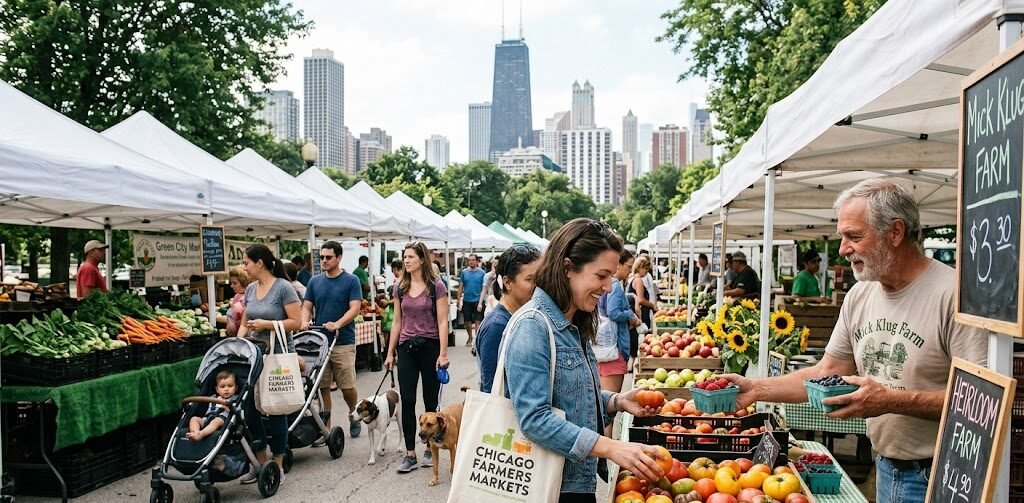
The warmer months bring an explosion of farmers markets throughout Chicago’s neighborhoods. During spring and summer, markets operate at their peak capacity, with numerous vendors offering an extensive variety of produce including berries, leafy greens, tomatoes, and stone fruits. This season represents the ideal time for newcomers to explore different market locations and establish relationships with preferred vendors.
- Peak availability of seasonal vegetables and fruits
- Extended operating hours at most market locations
- Greater vendor diversity and product selection
- Outdoor market settings in neighborhood parks and plazas
Fall and Winter Markets
While winter presents seasonal challenges, several Chicago farmers markets continue operating year-round, adapting to cooler weather conditions. Fall markets showcase harvest-season items such as squash, root vegetables, apples, and pears. Winter markets, often held indoors, feature cold-hardy storage crops, preserved goods, and specialty items produced during dormant seasons.
- Root vegetables and winter squash varieties
- Preserved foods including jams, pickles, and sauces
- Artisanal products such as cheese and baked goods
- Indoor market facilities for year-round shopping convenience
Major Chicago Farmers Market Locations
Downtown and Loop Area Markets
The Chicago Loop hosts several prominent farmers markets that cater to downtown workers and residents. These centrally located markets provide convenient access for professionals seeking fresh ingredients during lunch breaks or after work hours. The convenient timing and location make these markets particularly attractive for those with busy urban schedules.
Neighborhood Market Destinations
Chicago’s diverse neighborhoods each maintain their own farmers market traditions. Markets in neighborhoods such as Lincoln Square, Pilsen, and Wicker Park offer distinct vendor selections reflecting the agricultural preferences and cultural backgrounds of local residents. Exploring neighborhood markets provides authentic insights into community food preferences and regional farming practices.
Shopping Tips for First-Time Visitors
Timing and Planning
Arriving early at farmers markets ensures access to the widest selection of products, as popular items and vendors often sell out quickly. Most markets operate on weekend mornings, with opening times typically between 7 and 9 a.m. Planning your visit around your weekly meal preparation schedule allows you to purchase items at peak freshness.
Payment and Logistics
While many vendors accept cash and credit cards, some smaller producers exclusively handle cash transactions. Bringing reusable bags or baskets reduces unnecessary plastic use and accommodates larger purchases. Arriving with a shopping list helps prioritize purchases while remaining flexible enough to take advantage of exceptional seasonal offerings.
Vendor Engagement
Taking time to converse with farmers and producers yields valuable information about product origins, cultivation practices, and recommended usage. Many vendors offer cooking suggestions and can identify produce best suited for specific culinary applications. Building relationships with regular vendors often results in reserved items and recommendations for upcoming harvests.
Seasonal Produce Guide
Spring (April-May)
Spring farmers markets feature delicate and nutritious offerings including asparagus, peas, lettuce varieties, and fresh herbs. Early berries such as strawberries begin appearing as temperatures warm. This season celebrates renewal with abundant leafy greens and the first tender vegetables of the growing year.
Summer (June-August)
Summer represents the peak season for Chicago farmers markets, with vendors offering peak varieties of tomatoes, peppers, zucchini, beans, and berries. Stone fruits including peaches, nectarines, and plums provide abundant natural sweetness. This season showcases the full diversity of regional agricultural production.
Fall (September-November)
Autumn brings substantial varieties of winter squash, pumpkins, root vegetables, and apples. Late-season crops including Brussels sprouts, broccoli, and cauliflower appear as temperatures decline. Fall markets capture the harvest abundance with maximum vendor participation before winter transitions.
Winter (December-March)
Winter markets feature storage vegetables such as potatoes, onions, and carrots alongside preserved goods and specialty items. Root cellaring techniques allow farmers to offer fresh produce throughout colder months. Winter markets emphasize hearty, long-storage vegetables essential for winter cooking.
Supporting Local Agriculture Through Market Purchases
Every purchase at Chicago farmers markets directly supports local farming operations and contributes to regional food security. By choosing locally grown products, consumers help sustain agricultural land within the Chicago metropolitan area and surrounding regions. This economic support enables farmers to maintain operations, invest in sustainable practices, and plan for future seasons.
Additionally, farmers market participation strengthens community resilience by reducing dependence on distant supply chains.