Introduction to Chicago’s Waterfront Treasures
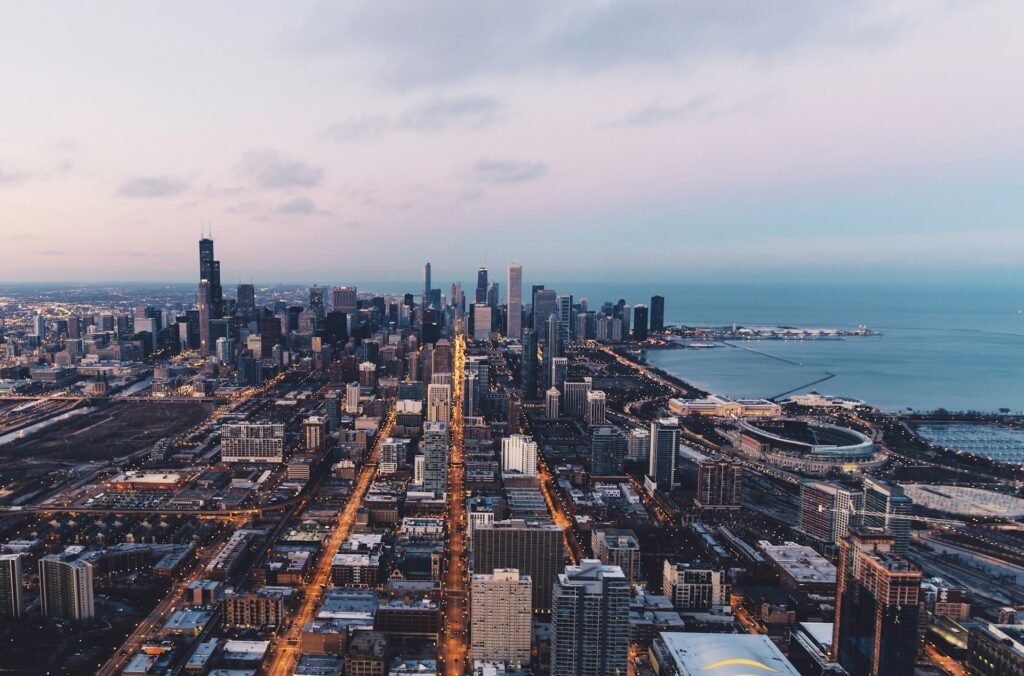
Chicago’s waterfront spans over 26 miles along Lake Michigan, yet many residents and visitors remain unaware of the exceptional destinations that exist beyond the well-known Navy Pier and Millennium Park. The city’s hidden waterfront gems offer a diverse array of experiences, from serene natural habitats to cultural institutions and recreational opportunities that showcase the true character of Chicago’s lakefront heritage.
Natural Preserves and Wildlife Sanctuaries
Among Chicago’s most valuable waterfront assets are its protected natural areas that provide critical habitats for local wildlife and offer peaceful retreats for nature enthusiasts. These preserves represent significant conservation efforts that preserve the ecological integrity of Lake Michigan’s shoreline.
Montrose Beach and Bird Sanctuary
Located on the city’s north side, Montrose Beach operates as one of the Midwest’s premier bird-watching destinations. The adjacent Montrose Point Bird Sanctuary attracts hundreds of bird species during migration seasons, making it an invaluable location for ornithologists and casual observers alike. The area’s diverse ecosystem supports numerous ecological niches that sustain vibrant avian populations throughout the year.
Burnham Lakefront Wildlife Corridor
The Burnham Lakefront Wildlife Corridor represents a carefully managed natural area that extends along the southern waterfront. This ecological restoration project has successfully reestablished native plant communities and created breeding grounds for fish and waterfowl, demonstrating Chicago’s commitment to environmental stewardship.
Cultural and Historical Waterfront Institutions
Chicago’s waterfront has long served as a focal point for cultural development, housing institutions that contribute significantly to the city’s intellectual and artistic landscape.
The Museum Campus and Field Museum
The Museum Campus area houses the Field Museum, Shedd Aquarium, and Adler Planetarium—institutions of global significance. The Field Museum’s position on the waterfront provides a stunning architectural backdrop, while its collection of natural history artifacts offers visitors comprehensive insights into Earth’s biological and geological diversity.
Lacustrine Heritage Sites
Several waterfront locations preserve Chicago’s maritime history and industrial heritage. These sites document the city’s evolution from a trading post to a major commercial hub, offering historical perspectives on waterfront development and urban transformation.
Recreational Waterfront Destinations
Beyond traditional tourist attractions, Chicago’s waterfront offers numerous recreational opportunities that cater to diverse interests and fitness levels.
Lakefront Trail and Pathway Systems
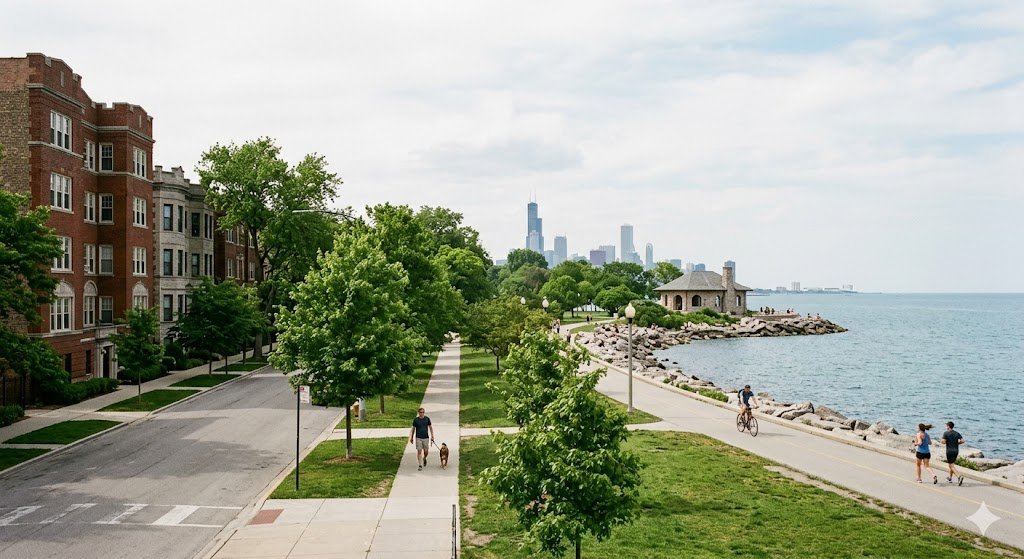
The Chicago Lakefront Trail spans the entire waterfront, providing dedicated pathways for cyclists, joggers, and pedestrians. This infrastructure investment enables residents and visitors to experience the waterfront’s natural beauty while maintaining physical activity. The trail’s design incorporates scenic overlooks, rest areas, and access points to multiple beaches and parks.
Water Sports and Marine Activities
Chicago’s waterfront supports various water sports, including sailing, kayaking, and stand-up paddleboarding. Several lesser-known launch facilities and rental services provide access to Lake Michigan, allowing water enthusiasts to experience the lake from unique perspectives. These recreational opportunities appeal to athletes and leisure seekers alike.
Hidden Beaches and Waterfront Parks
While Oak Street Beach and North Avenue Beach attract significant crowds, numerous smaller beaches and waterfront parks provide more intimate and tranquil experiences.
Juneway Terrace Beach
This small, secluded beach on the north side offers a quieter alternative to busier waterfront destinations. The protected cove provides calm waters suitable for swimming and recreational activities, while the surrounding neighborhood maintains a residential character that appeals to those seeking peaceful waterfront experiences.
Olive Park and Salt Marsh
Located on the far southeast side, Olive Park encompasses diverse ecosystems including salt marshes, beaches, and wooded areas. The park’s isolation from downtown areas creates an authentic natural environment where visitors can observe native plants and wildlife in relatively undisturbed settings.
Culinary and Dining Experiences
Chicago’s waterfront hosts numerous dining establishments that emphasize fresh seafood and lakefront views. Many of these venues operate with lower profiles than downtown restaurants, offering authentic culinary experiences without excessive tourist crowds.
Neighborhood Waterfront Restaurants
Independent restaurants along the waterfront feature locally sourced ingredients and regional specialties. These establishments contribute to Chicago’s culinary reputation while supporting local communities and artisanal food producers.
Seasonal Waterfront Activities
Chicago’s waterfront experiences significant transformations throughout the year, each season presenting distinct opportunities for engagement and exploration.
Spring and Summer Waterfront Events
The warmer months bring outdoor concerts, art exhibitions, and community festivals to waterfront locations. Many smaller neighborhoods host events that celebrate local culture and foster community connections along the lakefront.
Winter Waterfront Beauty
The winter season transforms the waterfront landscape, with frozen vistas and unique photographic opportunities. Bundled visitors and local residents experience the waterfront’s serene beauty during quieter months, providing reflective experiences distinct from summer activity.
Planning Your Waterfront Exploration
Visitors and residents alike benefit from systematic approaches to waterfront exploration. The Chicago Park District provides comprehensive information about waterfront facilities, access points, and seasonal conditions. Public transportation systems offer convenient access to waterfront destinations throughout the city.
Accessibility and Visitor Information
Chicago’s waterfront includes accessible facilities and amenities designed to accommodate visitors of varying mobility levels. Information centers, wayfinding signage, and digital resources facilitate planning and navigation.
Conclusion
Chicago’s hidden waterfront gems represent extraordinary opportunities for exploration, recreation, and cultural enrichment. From protected natural areas and cultural institutions to recreational facilities and culinary destinations, the waterfront offers experiences that extend far beyond conventional tourist circuits.