
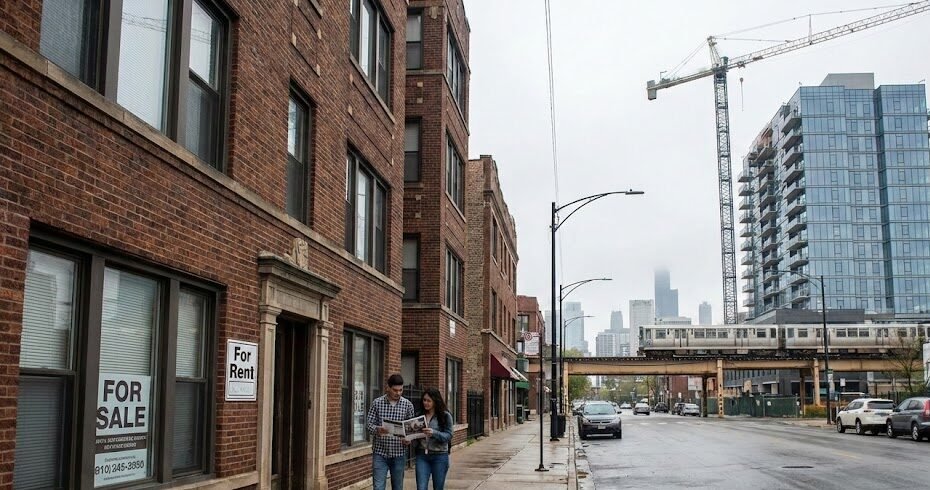
Chicago has long maintained a reputation as one of America’s most affordable major metropolitan areas. However, recent market trends suggest that this characterization may require significant revision. The city’s housing market has undergone substantial changes over the past several years, driven by shifting economic conditions, increased demand, and supply constraints that have fundamentally altered affordability across the region.
The Rising Cost of Chicago Real Estate
Housing prices in Chicago have experienced considerable growth, particularly in desirable neighborhoods and downtown areas. Median home prices have climbed steadily, outpacing wage growth and making homeownership increasingly challenging for average residents. This upward trajectory reflects broader trends affecting major urban centers nationwide, though Chicago’s increases have been particularly pronounced in specific neighborhoods.
Rental markets have similarly tightened, with apartment availability declining while monthly lease rates continue their upward climb. This dynamic has created a challenging environment for renters seeking affordable options, especially those with limited incomes or first-time renters entering the market.
Neighborhood Variations and Market Disparities
Chicago’s housing affordability picture is far from uniform across the city. Significant disparities exist between neighborhoods, with factors including:
- Proximity to public transportation and downtown business districts
- School district quality and educational resources
- Historic investment patterns and community development initiatives
- Neighborhood amenities and commercial infrastructure
- Population demographics and demand trends
Some neighborhoods remain relatively affordable, while others have experienced dramatic price appreciation, effectively pricing out longtime residents and middle-income families.
Factors Driving Market Changes
Several interconnected factors have contributed to Chicago’s shifting affordability landscape. Increased remote work capabilities have expanded the pool of potential residents willing to relocate to the city. Additionally, low interest rates in recent years encouraged home purchases, while supply constraints in new residential construction have limited options for buyers and renters alike.
Economic recovery and job market improvements have strengthened demand, particularly among young professionals and established households seeking urban living environments. International investment in Chicago real estate has also played a role in driving prices upward, particularly in premium neighborhoods.
Comparing Chicago to Other Major Cities
While Chicago has become less affordable in absolute terms, it remains comparatively attractive compared to coastal metropolitan areas such as New York, San Francisco, and Los Angeles. However, this relative advantage has narrowed considerably. Housing cost-to-income ratios in Chicago now approach levels that exceed traditional affordability thresholds, challenging the narrative of Chicago as an affordable alternative to other major U.S. cities.
Impact on Different Population Groups
The affordability crisis affects various demographics unevenly. First-time homebuyers face particular challenges in accumulating sufficient down payments and qualifying for competitive mortgage terms. Low-income renters experience acute housing insecurity as affordable units become increasingly scarce. Middle-class households struggle with cost-of-living pressures that limit other essential spending categories.
Conversely, existing homeowners and investors have benefited from appreciating property values and equity accumulation, creating widening wealth disparities within the community.
Government Response and Policy Initiatives
Chicago and Illinois policymakers have implemented various initiatives to address affordability concerns, including affordable housing preservation programs, zoning reforms to encourage diverse housing types, and rental assistance programs. However, these efforts have faced challenges in scale and effectiveness relative to the magnitude of affordability pressures.
The Path Forward
Chicago’s future affordability will depend on several critical factors. Increased housing supply through new construction and development will be essential to moderating price growth. Policy reforms supporting diverse housing types, including mixed-income developments and accessory dwelling units, may improve availability. Additionally, wage growth and economic opportunity must keep pace with housing costs to ensure long-term affordability for residents across income levels.
Conclusion: A Complex Reality
Chicago is no longer universally affordable, though it remains more accessible than many comparable metropolitan areas. The reality is nuanced and neighborhood-dependent, with affordability increasingly dependent on location, income level, and timing of market entry. Prospective residents and current householders must navigate this evolving landscape with realistic expectations while advocating for policy solutions that prioritize housing accessibility across all income levels. The question is not whether Chicago remains affordable in absolute terms, but rather for whom affordability remains viable and what systemic changes are necessary to preserve housing opportunity for diverse populations.