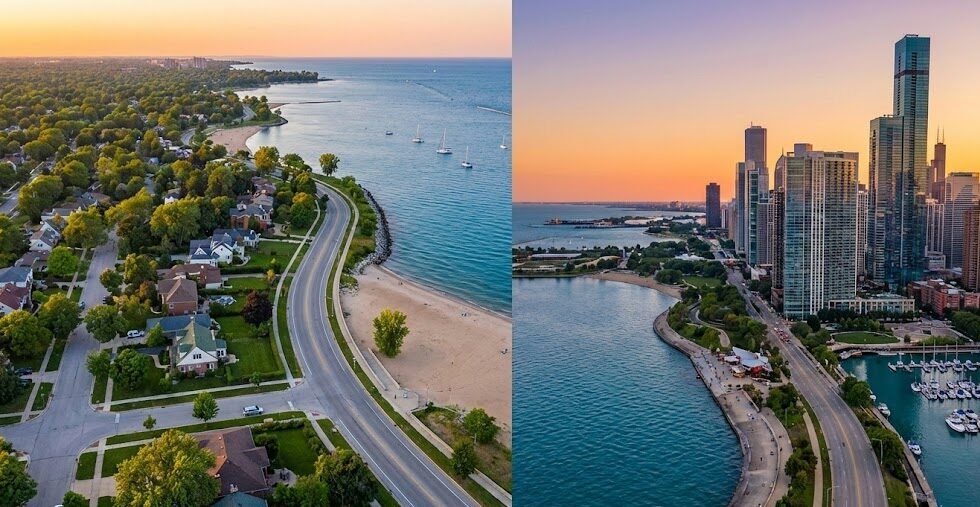
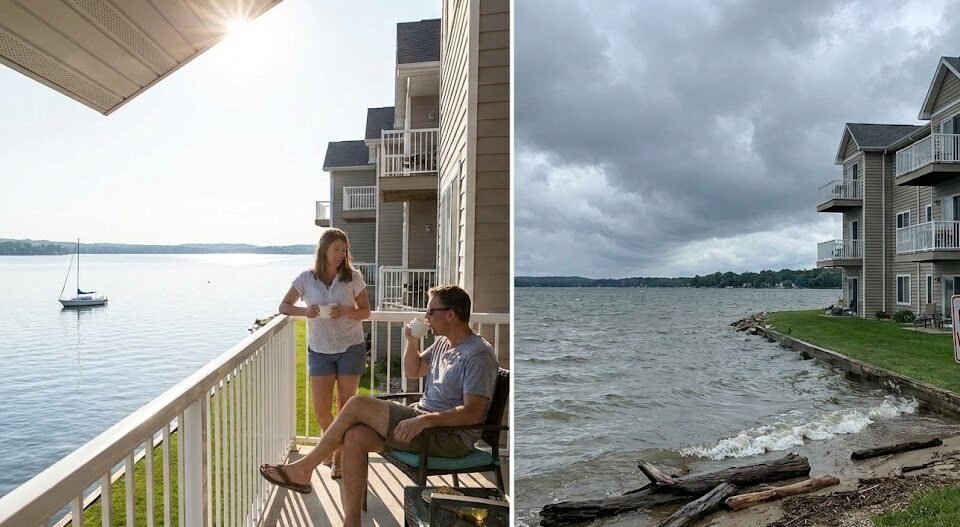
Waterfront apartments represent a unique lifestyle choice that combines natural beauty with urban convenience. Whether overlooking a serene lake, a bustling harbor, or a peaceful riverside, waterfront residences offer distinctive advantages alongside notable challenges. This comprehensive guide explores the essential considerations for anyone contemplating a move to lakefront living.
The Advantages of Waterfront Apartments
Unparalleled Natural Beauty and Scenic Views
One of the most compelling reasons to choose waterfront living is the continuous access to stunning natural scenery. Residents enjoy panoramic water views from their windows and balconies, creating a serene and aesthetically pleasing living environment. This constant connection to nature provides psychological benefits, including stress reduction and improved mental well-being.
Recreation and Outdoor Activities
Waterfront apartments provide immediate access to diverse recreational opportunities. Residents can engage in swimming, boating, kayaking, fishing, and paddleboarding without traveling long distances. Many waterfront communities also feature walking paths, jogging trails, and waterfront parks that enhance the quality of life for apartment dwellers.
Property Value and Investment Potential
Waterfront properties historically demonstrate strong appreciation rates and command premium prices in the real estate market. The limited supply of waterfront locations, combined with consistent demand creates favorable conditions for property value growth. This makes waterfront apartments an attractive long-term investment opportunity for homebuyers and investors alike.
Enhanced Community and Social Opportunities
Waterfront developments frequently cultivate vibrant communities with abundant social amenities. Many lakefront apartments feature:
- Community centers and gathering spaces
- Waterfront restaurants and retail establishments
- Cultural events and festivals
- Marina facilities and water sports clubs
- Walking and cycling communities
Improved Air Quality and Health Benefits
Waterfront areas typically feature better air circulation and lower pollution levels compared to interior urban locations. The proximity to water naturally improves air quality, and the active lifestyle encouraged by waterfront living promotes physical health and fitness.
The Disadvantages of Waterfront Apartments
Elevated Property and Insurance Costs
The premium pricing of waterfront properties extends beyond the purchase price. Residents should anticipate higher property taxes, homeowners association fees, and substantially increased insurance premiums. Flood insurance is frequently mandatory in waterfront locations, representing a significant ongoing expense that inland properties do not typically require.
Environmental and Weather-Related Risks
Waterfront apartments face unique environmental challenges that require serious consideration. These risks include:
- Flooding during severe weather events
- Storm surge and hurricane damage
- Erosion and shoreline instability
- Water contamination and algal blooms
- Extreme wind conditions
Maintenance and Corrosion Issues
The aquatic environment accelerates wear and tear on building materials and personal property. Salt water exposure causes rapid corrosion of metal components, while moisture and humidity promote mold growth, wood rot, and structural deterioration. These environmental factors necessitate more frequent and expensive maintenance compared to inland residences.
Privacy Limitations and Crowding
Waterfront locations attract constant foot traffic from tourists, recreational users, and community members. This high activity level can compromise privacy and create noise disturbances. Popular waterfront areas may experience overcrowding during peak seasons, detracting from the peaceful environment that initially attracted residents.
Accessibility and Transportation Challenges
While waterfront locations offer direct water access, they may be positioned remotely from essential services, employment centers, and shopping facilities. Limited road infrastructure around water bodies can create traffic congestion and extended commute times, offsetting some convenience advantages.
Regulatory Restrictions and Building Limitations
Waterfront properties are subject to extensive environmental regulations and building codes designed to protect aquatic ecosystems and mitigate flood risk. These restrictions often limit renovation possibilities, affect property development, and require compliance with specialized permit requirements, increasing both costs and complexity.
Financial Considerations for Waterfront Living
Prospective waterfront apartment buyers must carefully evaluate the complete financial picture. Beyond the initial purchase price, budget for flood insurance, elevated property taxes, regular maintenance costs, and potential special assessments for waterfront infrastructure maintenance. Calculate the total cost of ownership over your anticipated residency period before making a commitment.
Making Your Decision
Waterfront living offers exceptional lifestyle benefits for those who prioritize natural beauty, recreational access, and community atmosphere. However, the elevated costs, environmental risks, and maintenance requirements demand thorough consideration. Successful waterfront residents understand these tradeoffs and value the unique advantages enough to accept the accompanying responsibilities and expenses.
Before purchasing a waterfront apartment, conduct comprehensive research on local flood histories, climate patterns, building conditions, and long-term property trends. Consult with insurance professionals, environmental specialists, and local authorities to ensure you fully understand the location-specific advantages and challenges. With proper preparation and realistic expectations, waterfront living can provide a rewarding residential experience that justifies its investment.