Chicago is often defined by its ability to evolve. From architecture and music to dining and nightlife, the city has never been afraid to reinvent itself. Yet when it comes to seafood, Chicago tells a more surprising story rooted in tradition, familiarity, and an old-school approach that has endured for decades. While modern restaurants chase innovation with fusion menus and cutting-edge presentation, many of Chicago’s most beloved seafood spots still operate much as they did in the 1960s. These restaurants prioritize freshness over flash, consistency over reinvention, and loyalty over hype. In a landlocked city where seafood success was never guaranteed, this steadfast commitment helped build trust with generations of diners. Today, as trends come and go, Chicago’s seafood scene continues to prove that sometimes the best way forward is staying true to the past.
The 1960s: Building Trust in a Landlocked City
In the 1960s, seafood dining in Chicago faced a unique challenge: convincing diners that fresh seafood was possible far from the coast. Restaurants had to rely on reliable suppliers, simple preparation methods, and transparent menus to earn credibility. Instead of masking ingredients with heavy sauces or complex techniques, chefs leaned into straightforward cooking that let quality speak for itself. This era laid the foundation for Chicago’s seafood culture. Oyster bars, shrimp houses, and fish-focused restaurants emphasized consistency and portion value. Many were located in modest spaces, often basements or narrow storefronts, where overhead costs stayed low, and attention remained firmly on the plate.
Basement Restaurants and the Rise of Old-School Charm
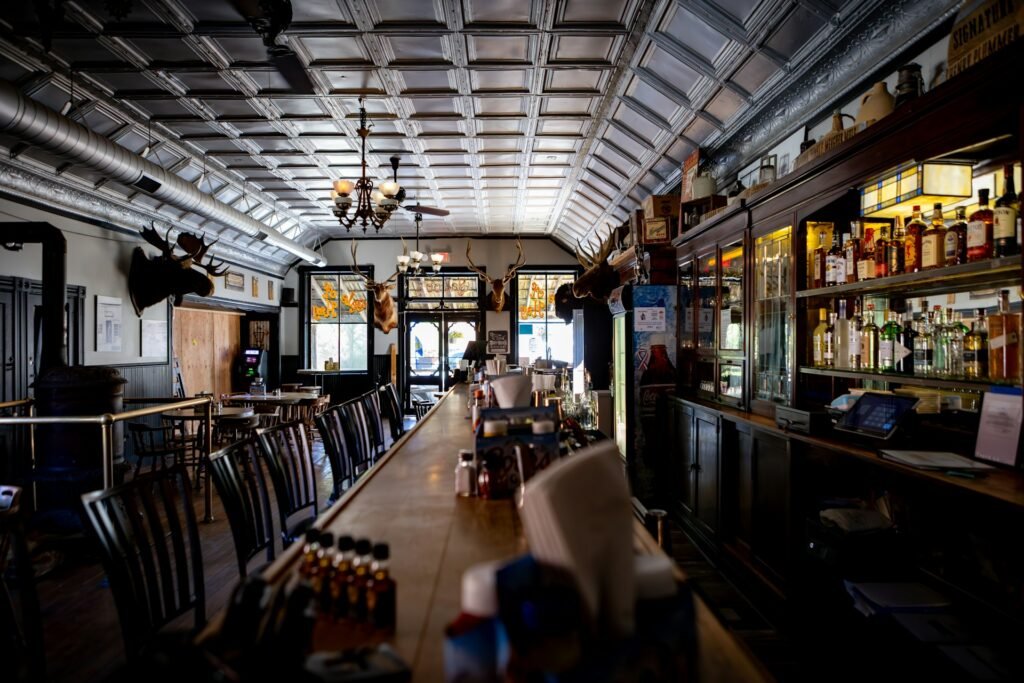
Basement seafood restaurants became an unexpected hallmark of Chicago dining. Practical at first, these below-street-level spaces eventually developed a distinct identity. Descending into a basement restaurant created a sense of escape from the city above, allowing diners to focus on conversation and food rather than spectacle. The atmosphere was intimate and unpretentious. Low lighting, wood-paneled walls, and compact seating encouraged a communal experience. Over time, these characteristics became assets rather than limitations. Regulars returned not just for seafood, but for the feeling of familiarity that came with every visit. One enduring example is The Half Shell, which opened in the late 1960s and remains largely unchanged today. Its longevity reflects how deeply this old-school approach resonates with Chicago diners.
Menus That Refuse to Chase Trends
While many cities embraced culinary experimentation in the decades that followed, Chicago’s seafood restaurants largely stayed the course. Menus continued to feature classic offerings, fresh oysters, shrimp cocktails, broiled fish, and fried seafood baskets prepared with minimal embellishment. This consistency wasn’t about resisting creativity; it was about respecting the ingredient. When seafood is fresh and properly handled, it doesn’t require reinvention. Old-school seafood restaurants understood this long before it became a talking point in modern food culture. Diners knew exactly what to expect, and that reliability became a defining strength.
Generational Loyalty and Familiar Service
One of the most remarkable aspects of Chicago’s seafood scene is the loyalty it inspires. Many old-school restaurants serve multiple generations of the same families. Parents bring children who later return as adults, recreating rituals that stretch back decades. Service plays a crucial role in this continuity. Staff members are typically knowledgeable, efficient, and refreshingly direct. There’s little pretense and no performative hospitality. Instead, guests receive genuine attention from servers who understand both the menu and the clientele. Over time, relationships form, reinforcing the sense that these restaurants are community fixtures rather than commercial ventures.
Surviving Modern Dining Culture
The rise of social media, celebrity chefs, and constantly changing food trends has transformed much of the restaurant industry. Yet Chicago’s old-school seafood spots have largely avoided these pressures. They don’t rely on viral exposure or dramatic redesigns to stay relevant. Instead, they continue to thrive quietly, supported by repeat customers and word-of-mouth reputation. Their dining rooms may lack modern polish, but they offer something increasingly rare: a predictable, satisfying experience that values substance over style.
Why Old-School Seafood Still Works Today
The enduring appeal of Chicago’s traditional seafood restaurants lies in their clarity of purpose. They know what they are and who they serve. By focusing on quality ingredients, straightforward preparation, and consistent service, they’ve created a model that withstands changing tastes. In a city known for innovation, this commitment to tradition feels almost radical. From the 1960s to today, Chicago’s seafood scene proves that progress doesn’t always require reinvention. Sometimes, the most timeless dining experiences are built by doing the same simple things exceptionally well for decades.
Photo by Judy Beth Morris on Unsplash