Understanding Transit-Oriented Living in Chicago
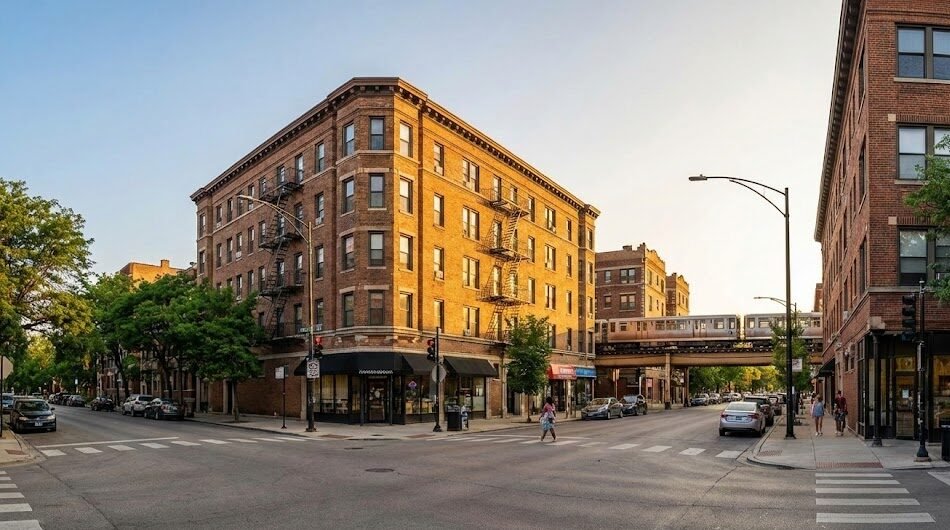
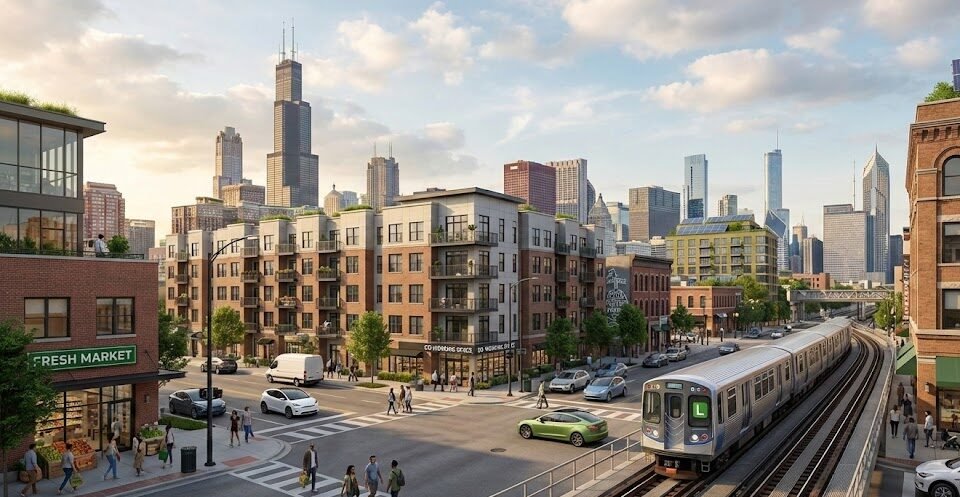
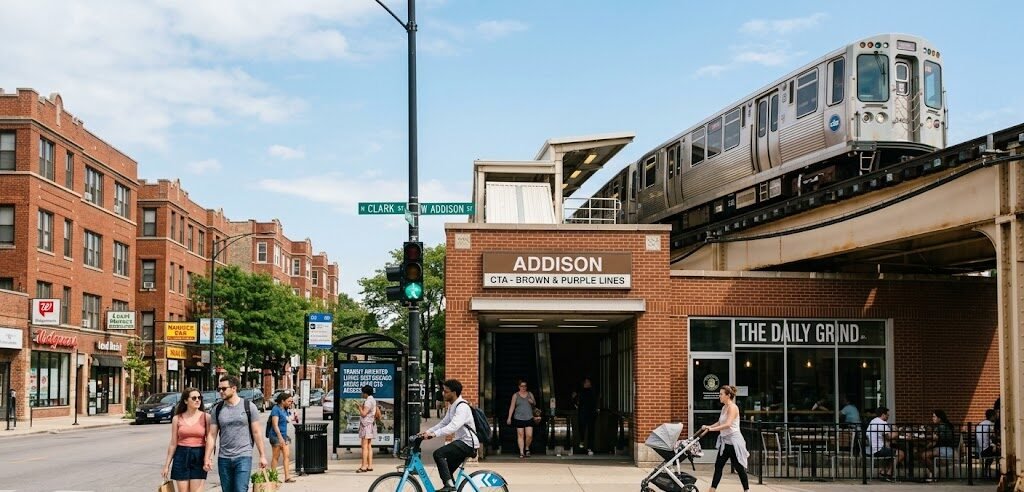
Transit-oriented living represents a modern approach to urban residential development that prioritizes proximity to public transportation systems. In Chicago, this concept has become increasingly significant as residents seek sustainable, convenient, and economically viable housing options. The Chicago Transit Authority (CTA) network serves as the backbone of this movement, offering residents direct access to employment centers, cultural institutions, and recreational amenities throughout the metropolitan area.
The Benefits of CTA Proximity
Living near CTA stations offers numerous advantages for Chicago residents. The primary benefit is reduced reliance on personal vehicles, which translates to lower transportation costs and decreased environmental impact. Residents can allocate funds previously spent on car payments, fuel, and maintenance toward other life priorities.
Beyond financial considerations, transit-oriented neighborhoods foster vibrant communities. Increased foot traffic supports local businesses, creating thriving commercial districts with restaurants, retail establishments, and service providers. This pedestrian-friendly environment encourages social interaction and community engagement.
Economic Advantages
- Lower transportation expenses compared to car-dependent living
- Increased property values in transit-accessible neighborhoods
- Enhanced job market access through expanded commute radius
- Reduced parking-related costs and infrastructure demands
Quality of Life Improvements
- Convenient access to public transportation during all hours
- Walkable neighborhoods with pedestrian-friendly infrastructure
- Proximity to cultural institutions, parks, and entertainment venues
- Reduced stress associated with commuting and traffic congestion
Chicago’s CTA Network Coverage
The Chicago Transit Authority operates one of the largest and most comprehensive public transportation systems in the United States. The network includes the iconic “L” elevated and subway train system, along with an extensive bus network covering the city and surrounding areas.
The CTA serves numerous neighborhoods, each with distinct characteristics and appeal. From the bustling downtown Loop district to residential neighborhoods on the North, South, and West Sides, transit accessibility has transformed housing markets and community development patterns throughout Chicago.
Major CTA Lines
- Red Line: Extending from the 95th Street station to Howard Street
- Blue Line: Connecting O’Hare International Airport with the Loop and Forest Park
- Brown Line: Serving North Side neighborhoods and the Loop
- Green Line: Providing service to South and West Side communities
- Orange, Pink, and Purple Lines: Offering additional connectivity throughout the metropolitan area
Desirable Transit-Oriented Neighborhoods
Chicago features several neighborhoods that exemplify successful transit-oriented development. These communities combine excellent CTA access with diverse housing options, local amenities, and strong neighborhood character.
North Side Communities
The North Side encompasses some of Chicago’s most sought-after transit-accessible neighborhoods. Lakeview, served by multiple CTA lines, offers proximity to Lake Michigan, cultural institutions, and vibrant commercial districts. Wicker Park and Bucktown, accessible via the Blue Line, appeal to young professionals and families seeking trendy neighborhoods with established community identities. Lincoln Square provides upscale residential options with excellent Brown Line access.
South Side Neighborhoods
The South Side features emerging transit-oriented communities with significant potential. Bridgeport and Pilsen, served by the Red Line, offer more affordable housing options while maintaining strong cultural heritage and community engagement. Hyde Park combines academic prestige through the University of Chicago with excellent Green Line service and access to Museum Campus.
West Side Communities
The West Side has experienced revitalization through transit-oriented development initiatives. Pilsen and Little Village provide affordable housing with authentic cultural experiences. The Blue Line’s western extension serves communities experiencing economic development and renewed investment.
Housing Options Near CTA Stations
Transit-oriented neighborhoods in Chicago offer diverse housing options to accommodate various preferences and budgets. From luxury high-rise apartments to modest single-family homes, the range ensures accessibility for different demographic groups and income levels.
Residential Types
- Modern high-rise apartment buildings with premium amenities
- Mid-rise residential buildings offering efficient urban living
- Vintage brownstones and historic greystone buildings
- Single-family homes in established residential neighborhoods
- Converted loft spaces in former industrial districts
- Newly constructed mixed-use developments combining residential and commercial space
Walkability and Neighborhood Amenities
Properties near CTA stations benefit from enhanced walkability scores, which measure the ease of accomplishing errands on foot. High walkability neighborhoods reduce dependence on personal transportation and promote active lifestyles.
CTA-adjacent communities typically feature pedestrian-oriented infrastructure including wide sidewalks, street-level retail, parks, and public gathering spaces. These neighborhoods support diverse businesses serving daily needs, from grocery stores and pharmacies to restaurants and entertainment venues.
Essential Neighborhood Amenities
- Grocery stores and farmer’s markets for food shopping
- Educational institutions including schools and libraries
- Healthcare facilities and medical providers
- Parks and recreational spaces for outdoor activities
- Restaurants, cafes, and retail establishments
- Cultural venues including museums, theaters, and galleries
Property Investment Considerations
Real estate near CTA stations represents a compelling investment opportunity due to demonstrated property value appreciation and consistent demand. Transit accessibility serves as a primary determinant of residential property values, with homes and apartments near stations commanding premium prices compared to transit-adjacent locations.
Investors should evaluate several factors when considering transit-oriented properties. Proximity to specific CTA lines influences both current value and future appreciation potential.