Understanding Chicago’s Winter Climate
Chicago’s winters are notoriously harsh, with temperatures frequently plummeting well below freezing. The city experiences average winter temperatures ranging from 25°F to 35°F, with wind chill factors making conditions feel considerably more severe. Understanding the severity of these conditions is the first step toward effective winter preparation and survival strategy implementation.
Essential Cold Weather Preparation
Preparing for Chicago’s extreme cold requires a multi-faceted approach that addresses both personal safety and household resilience. The key to successful winter survival lies in advance planning and consistent maintenance throughout the season.
Home Winterization Strategies
- Inspect and seal all window frames and door thresholds to prevent heat loss
- Insulate attic spaces and pipes to maintain internal temperatures
- Service heating systems and furnaces before winter arrives
- Ensure adequate weatherstripping on all exterior doors
- Clean gutters and downspouts to prevent ice dam formation
- Stock emergency supplies including blankets, flashlights, and batteries
Personal Protection Against Extreme Cold
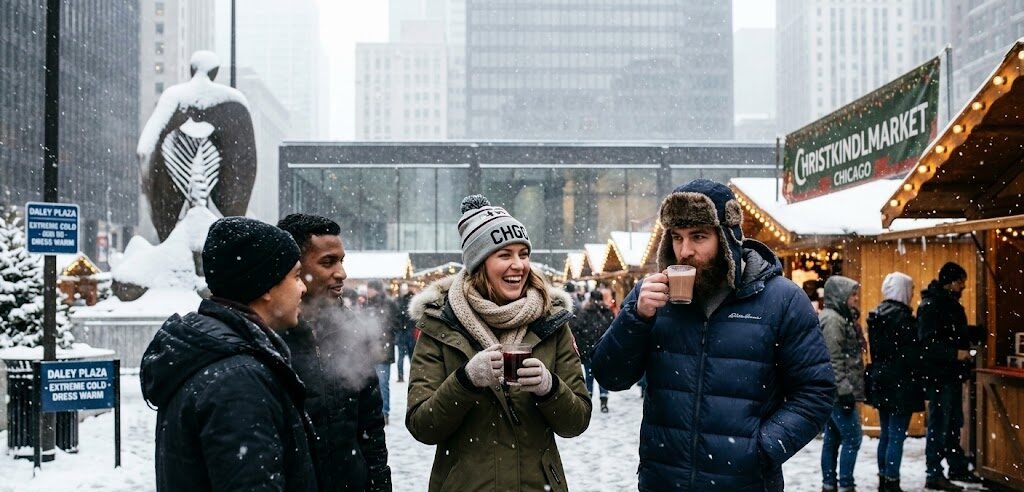
When venturing outdoors during Chicago’s winter months, appropriate clothing and protective measures are critical for preventing cold-related injuries such as frostbite and hypothermia.
Layering and Clothing Guidelines
The most effective approach to winter dressing involves multiple layers that trap warm air close to the body. Begin with moisture-wicking base layers, add insulating middle layers such as fleece or wool, and finish with a waterproof outer shell. Specialized winter accessories are equally important: insulated gloves, thermal socks, winter boots with adequate traction, and a warm hat or balaclava that covers the ears and face.
Frostbite and Hypothermia Prevention
- Limit outdoor exposure to 15-30 minutes during extreme cold warnings
- Keep skin covered and dry at all times
- Recognize early signs of frostbite including numbness and skin color changes
- Monitor for hypothermia symptoms such as shivering, confusion, and slurred speech
- Return indoors immediately if symptoms develop
Vehicle Maintenance and Winter Driving
Chicago’s winter conditions present significant challenges for vehicle operation and safety. Proper vehicle maintenance and defensive driving techniques are essential for navigating icy roads and extreme temperatures.
Vehicle Preparation Checklist
- Switch to winter-grade motor oil with appropriate viscosity ratings
- Install winter tires with adequate tread depth for traction
- Test battery capacity and consider replacement if nearing end of service life
- Ensure windshield wipers and washer fluid are winter-rated
- Maintain adequate fuel levels to avoid fuel line freeze-up
- Keep an emergency kit in your vehicle including jumper cables, ice scraper, and blankets
Winter Driving Best Practices
Reduce speed on all surfaces, increase following distances to at least eight to ten seconds behind other vehicles, and avoid using cruise control on slippery surfaces. If your vehicle begins to slide, remain calm and steer in the direction you want the front wheels to travel. Keep emergency contact numbers accessible and inform someone of your travel plans before departing.
Managing Utilities and Energy During Winter
Chicago winters place significant demands on home heating systems and electrical infrastructure. Strategic energy management helps maintain comfort while preventing system failures and reducing utility costs.
Heating System Optimization
- Program thermostats to maintain consistent temperatures between 68°F and 72°F
- Close vents and doors in unused rooms to concentrate heat in occupied spaces
- Use ceiling fans on low speed to distribute warm air downward
- Schedule professional furnace inspections before winter begins
- Keep heating system filters clean and replace them monthly during winter months
Community Resources and Local Support
Chicago provides numerous resources to assist residents during extreme winter weather events. Familiarizing yourself with these services ensures you can access help when needed.
Available Local Services
- City warming centers offering shelter during dangerous cold snaps
- Emergency services hotlines for weather-related assistance
- Utility company programs providing assistance to low-income households
- Community organizations offering emergency supplies and support
- Weather alert systems providing real-time warnings and updates
Emergency Preparedness and Response
Despite careful preparation, winter emergencies can still occur. Maintaining an emergency response plan ensures you can act quickly and effectively when faced with unexpected situations.
Emergency Supply Stockpile
- Non-perishable food items requiring no cooking or refrigeration
- Bottled water and other beverages for hydration
- First aid kit and essential medications
- Portable battery-powered or hand-crank radio
- Flashlights and extra batteries
- Rock salt or sand for walkway de-icing
- Backup heating source such as properly ventilated space heater
Conclusion: Thriving Through Chicago Winters
Surviving Chicago’s extreme winter conditions requires comprehensive preparation, consistent maintenance, and access to community resources. By implementing these local strategies—from home winterization and personal protection to vehicle maintenance and emergency preparedness—residents can navigate the season safely and comfortably. The key to winter success lies in beginning preparations early, staying informed about weather conditions, and taking immediate action when warnings are issued.